Art Territori Data (ATD) 2026
Artistic research projects with hybrid processes and online results.
Alba Casas
Art Territory Data generates a framework for reflection and research about the idea of alternateterritories, in reference to places, media, and the positioning of artistic practice.
This framework answers the need to promote the understanding of visual culture, and the exchange of knowledge from plural spaces of action and delocalised or transperipheral spaces, which help expand the action and dissemination of cultural content beyond traditional circuits. It also responds to the variety of ways of attending and understanding the nuances of place, territory, or territorial context; placing the care of the people involved in the centre of cultural processes, and observing the need for multiple options of scale, identity, space, and time.
In 2026, this framework for reflection forms part of the debates surrounding the imaginaries created around liminal territories and the tensions that arise within the cultural context.
For this programme, continuing along the line of methodology that we share with the Laboratorio de Convocatorias Cuidadas (2021), we have once again opted for an alternative to an open call when selecting the project. Thus, on this occasion, we have invited Alba Casas, who wrote one of the shortlisted proposals in the Centro Huarte and Idensitat 2026 Estéticas Transversales call for research and artistic production residencies.
Workshop “deVenir Salvaje: imaginarios, cuerpos y territorios en fuga”
With Alba Casas as part of Art Territori Data (ATD)
3rd of July from 5pm to 8pm Fàbrica de Creació Fabra i Coats
Registration
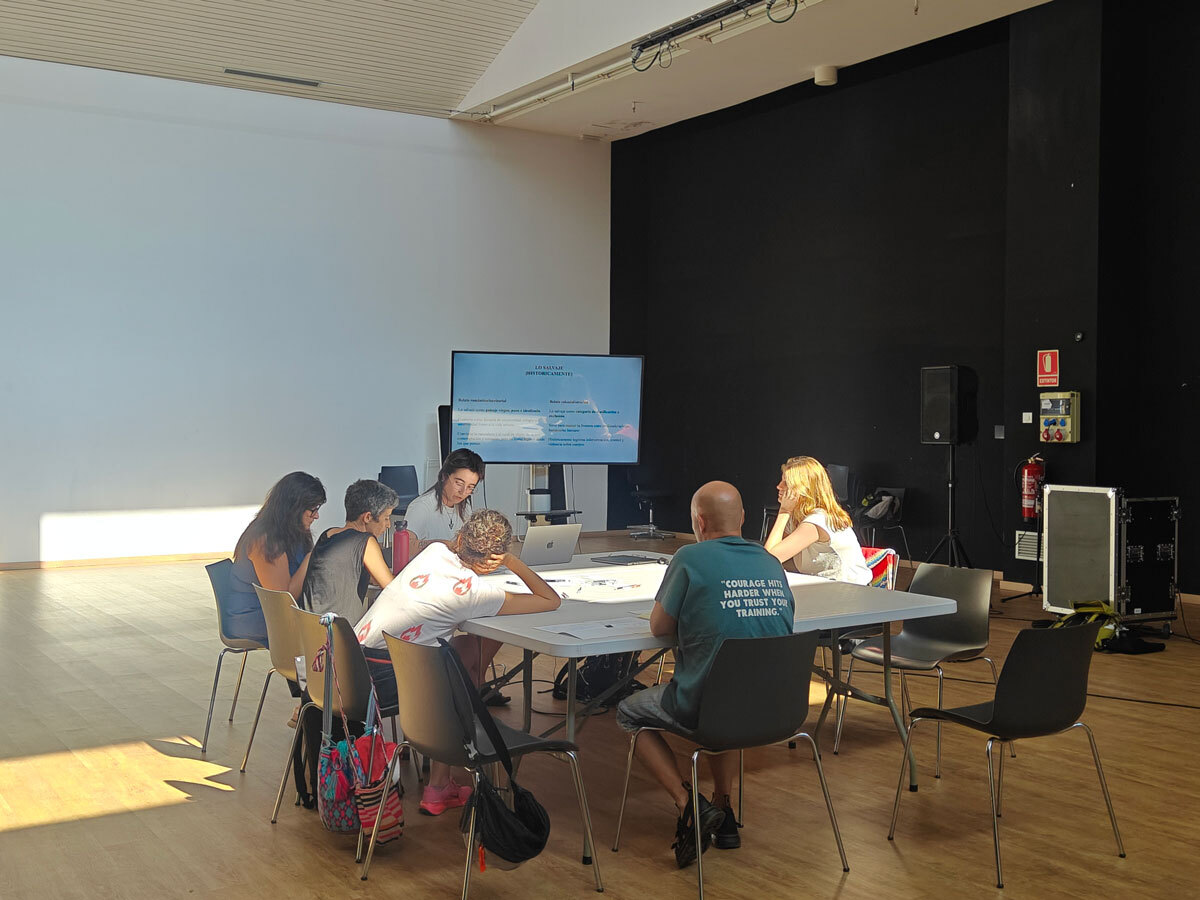
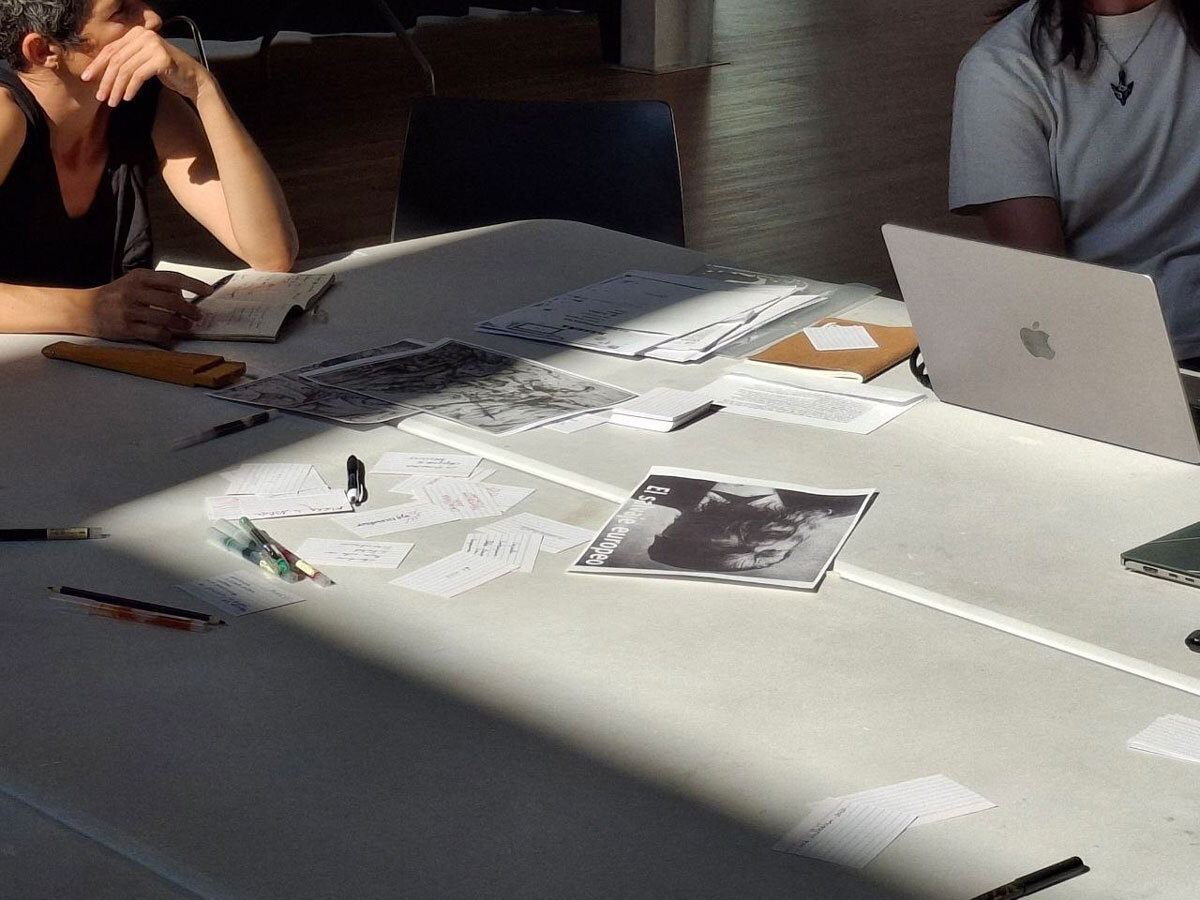
The workshop has been conceived as a public engagement initiative for Alba Casas’s *deVenir Salvaje* project. This project explores imaginaries of the wild, as a cultural and political construct, as well as the relationship of the wild to bodies, territories, and ways of life which transcend normative categories.
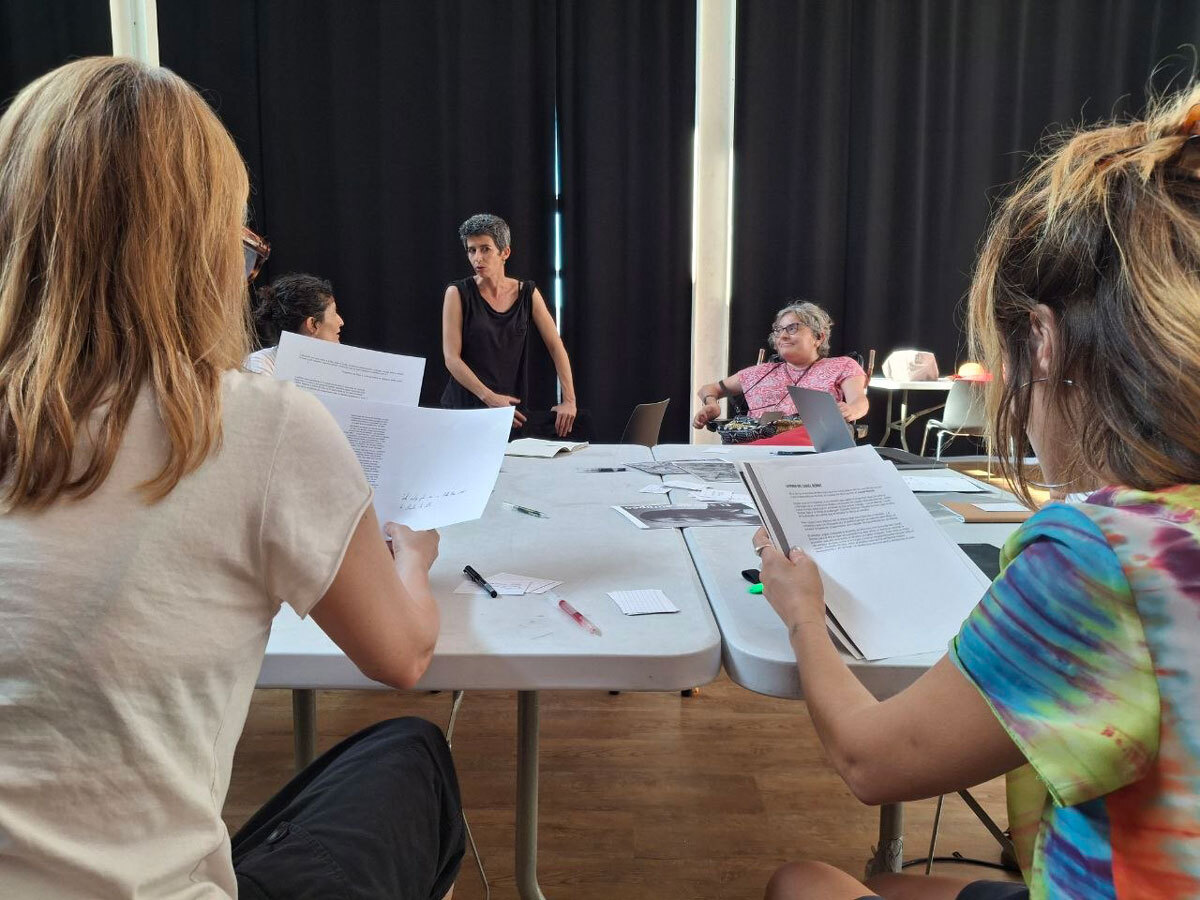
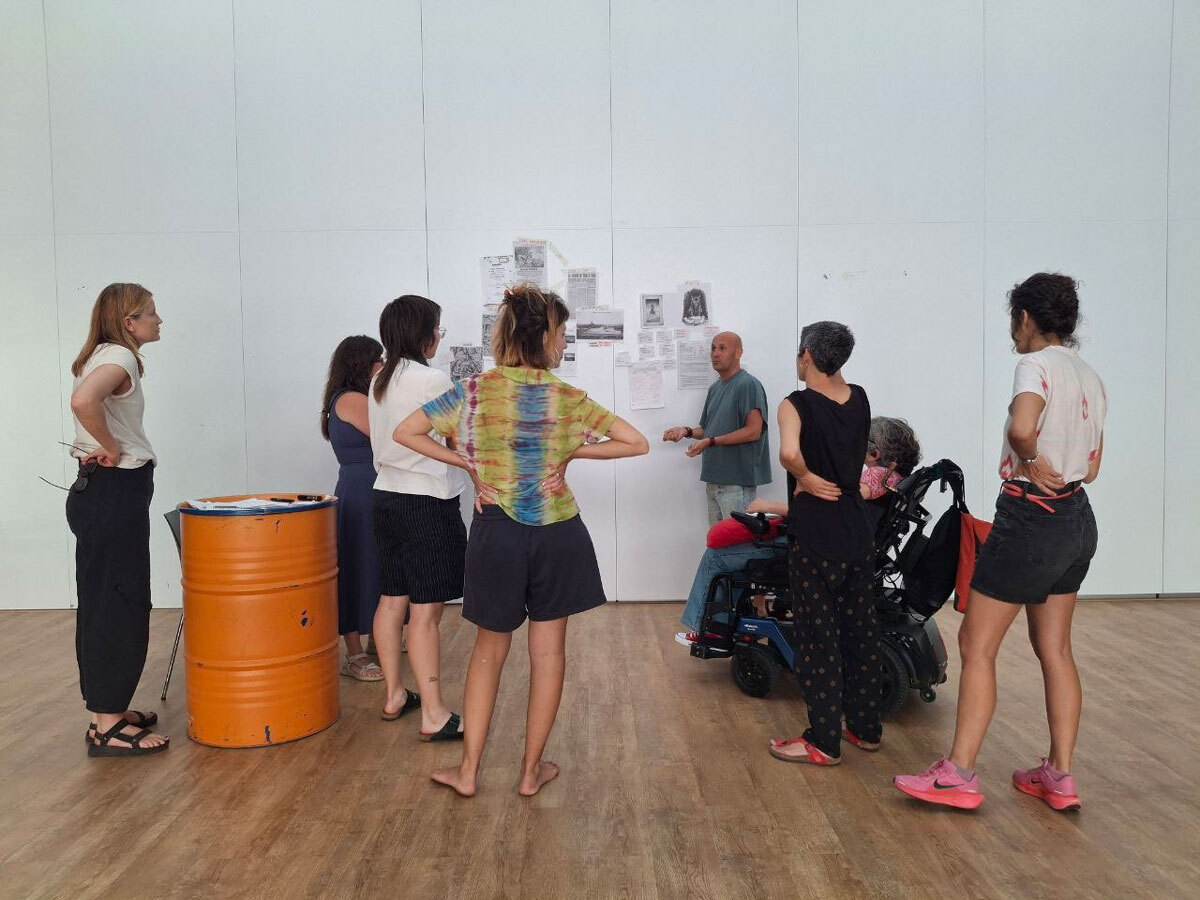
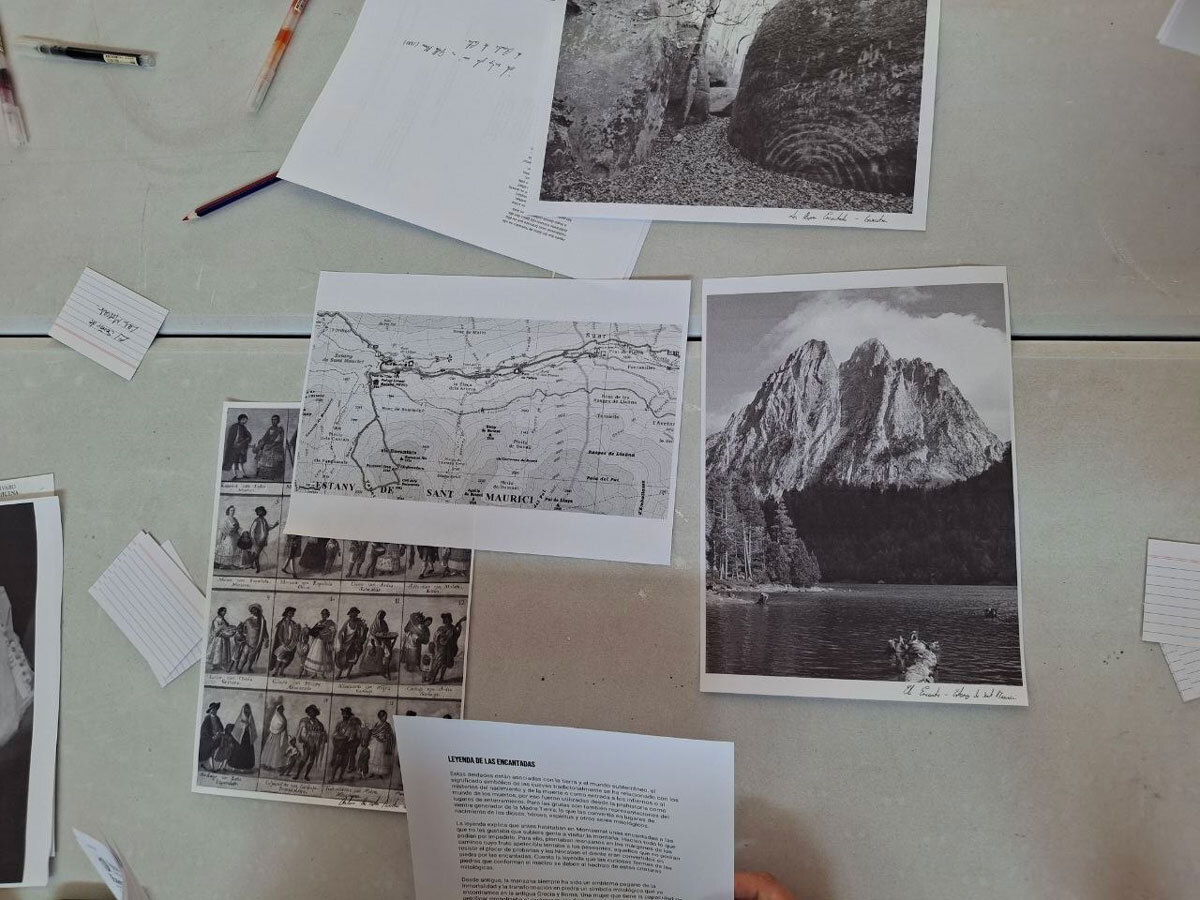
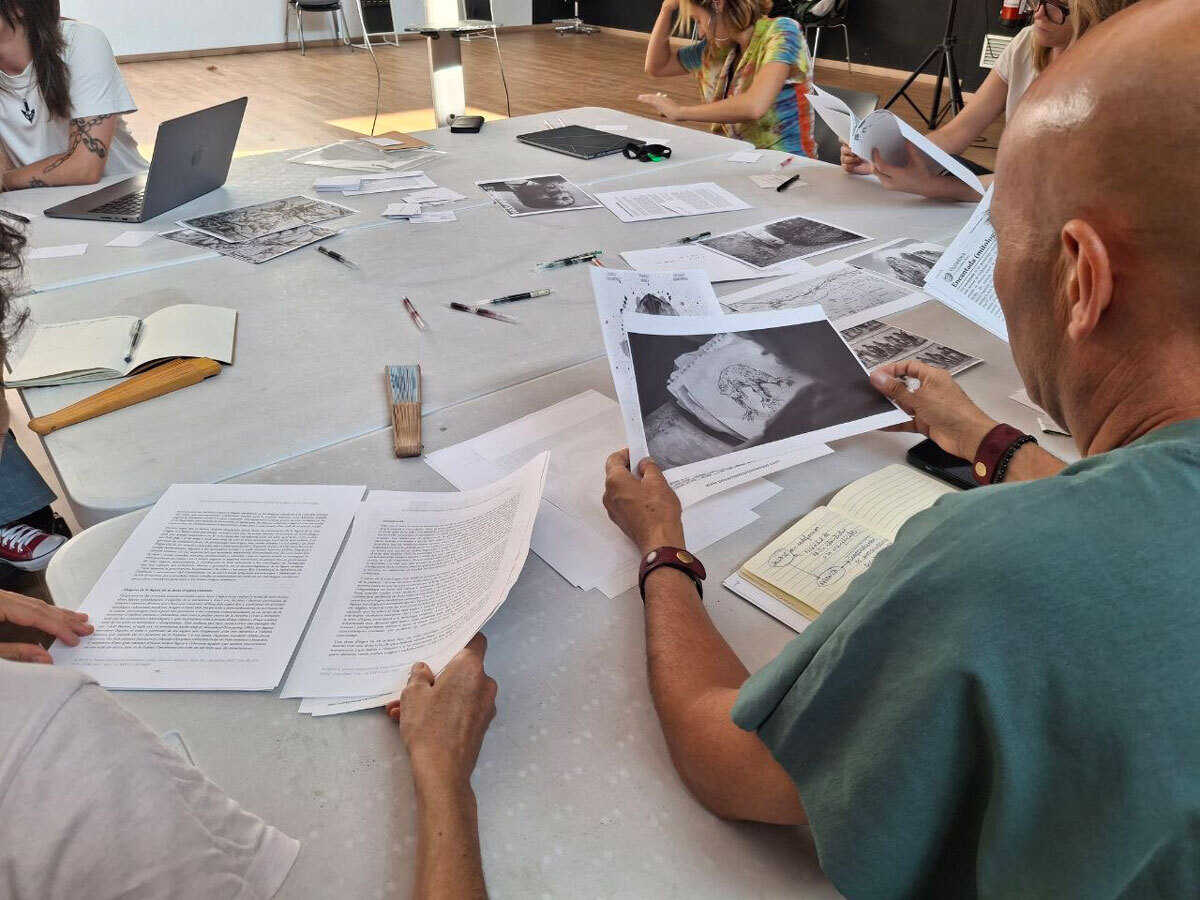
To this end, the workshop suggests a collective approach to the idea of ‘the wild’ not as a natural essence or as a pre-cultural state, but as a relational position which emerges at the limits of systems of control, classification, and domestication. Using images, words, memories, and assemblage exercises, the session invites participants to consider how hegemonic imaginaries of the wild are constructed and what happens when these images shift, blend, or become destabilised.
Drawing upon a participatory methodology, the group will explore tensions such as nature/culture, human/non-human, urban/rural or norm/transgression, in dialogue with situated experiences of the body and of the land. The workshop has been conceived as a brief space for shared experimentation in which analysis and production unfold simultaneously.
The workshop requires no prior knowledge of contemporary art, critical theory, or visual practices.
Workshop participants: Núria Gómez, Natalia Castañeda, María Eugenia Sasia, Rober Pallàs, Laia Moretó i Catarina Botelho.
deVenir Salvaje. Alba Casas
To name the wild is to name a way of organising fear and desire. The wild has been connected both to imagined, to untouched, and to distant territories, and to cultures and bodies situated on the fringes of the norm. It is in this act of naming that boundaries are drawn, but it is also where their cracks begin to appear.
Alba approaches the wild as a means of orientation within the land, a practice of listening, of paying attention, and of tracking. Following its tracks involves pausing to consider that which does not fit, that which resists being fully named, and that which eludes the logics of classification, control, and domestication. By following these tracks, Alba encounters a wildness which persists within cultures, dwelling in their folds, silences, and euphemisms, in the cracks of dominant narratives. There, tracks emerge of other ways of life, other expressions of desire, and other means of relating to the world which have remained invisible, or which have been labelled as ‘other’, as monstrous, or as inhuman. These persistent entities have not disappeared, but have learnt to survive by transforming themselves.
DeVenir Salvaje explores these tracks and their echoes in the present. It does not seek to reconstruct a lost past, but rather to understand the logics which have shaped ways of life, and to open up the possibility of inhabiting them in a different way. The wild appears here as a refuge and a territory of potential within which to recognise what has managed to persist, and within which to imagine other forms of existence when the maps which we have inherited are no longer sufficient.
BIO
Alba Casas is a multidisciplinary artist and researcher born in As Neves (Spain), a town situated on the border with Portugal. Deeply connected to the region, growing up as a queer person in a rural setting marked by political, social ,and geographical boundaries, has profoundly influenced her career. Living within boundaries and crossing them has nurtured her ability to move between disciplines, concepts, and geographies, giving rise to a hybrid practice that dissolves traditional divisions. Through the intertwining of artistic creation and academic research, her work engages with everyday life as a way of re-imagining new collective spaces and networks of solidarity.