Transversal Aesthetics 2026
Two Artistic Research and Production Residencies
Centro Huarte + Idensitat
IDENSITAT and CENTRO HUARTE activate the Transversal Aesthetics 2026 program to develop two Artistic Research and Production Residencies in Huarte and Barcelona.
Transversal Aesthetics is a line of research and experimentation at the intersection of art, mediation, and social space. It serves as a point of convergence between artistic practices as spaces for critical inquiry; mediation practices as spaces for the production of content, interaction, and the transfer of learning; and context as a relational space between a working theme and the social environment active around it.
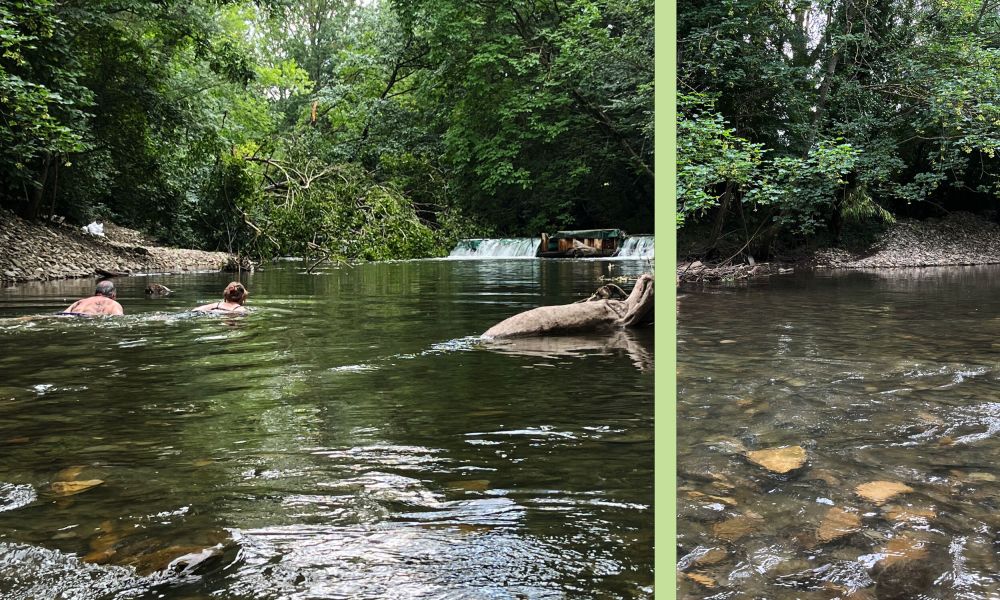
The residencies are understood as generators of social, cultural and environmental spaces. They will work with the specificity of local contexts through processes involving the activation of the social space around the Arga River as it runs through Huarte, Villava and Burlada.
From the call for proposals, were selected “Soñar (con) el Arga” by AZKONATOLOZA and “Tiempo de monstruos” by Raquel Meyers.
ARTISTIC RESIDENCY
PROJECTS
OPEN CALL FOR SUBMISSIONS
WORKING CONTEXTS
METHODOLOGY
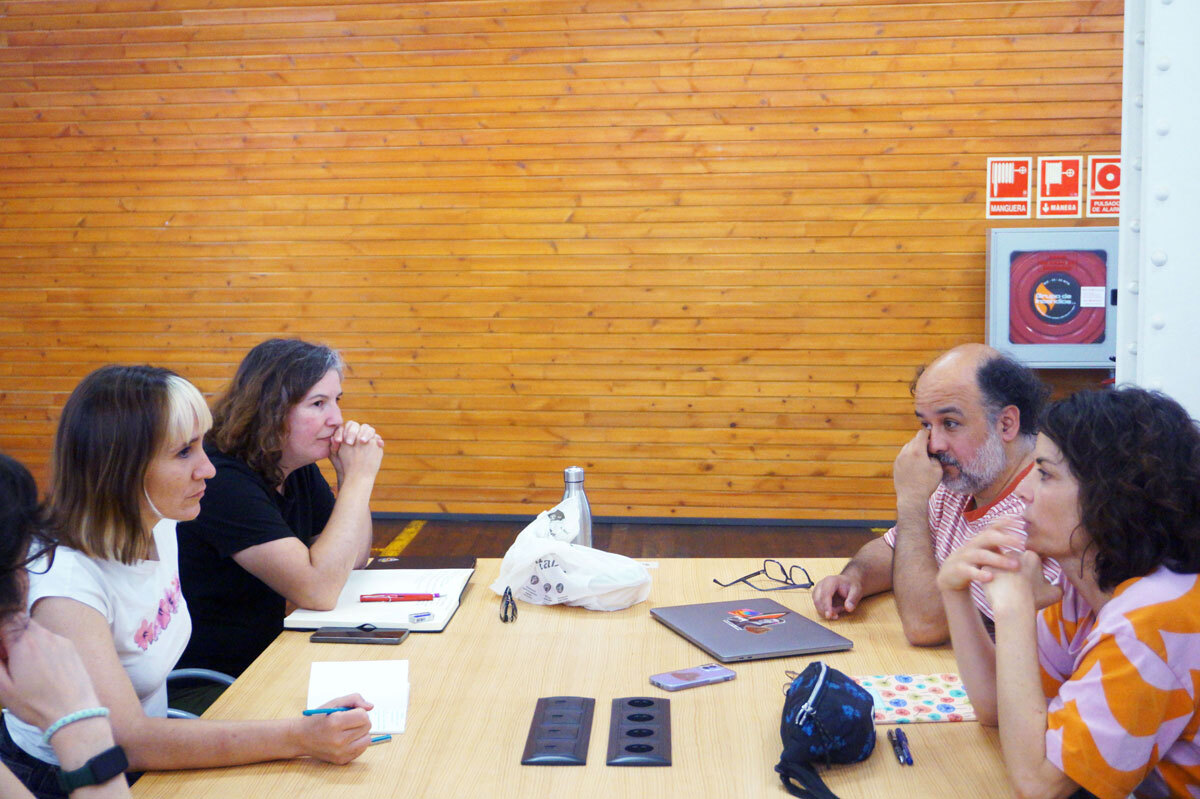
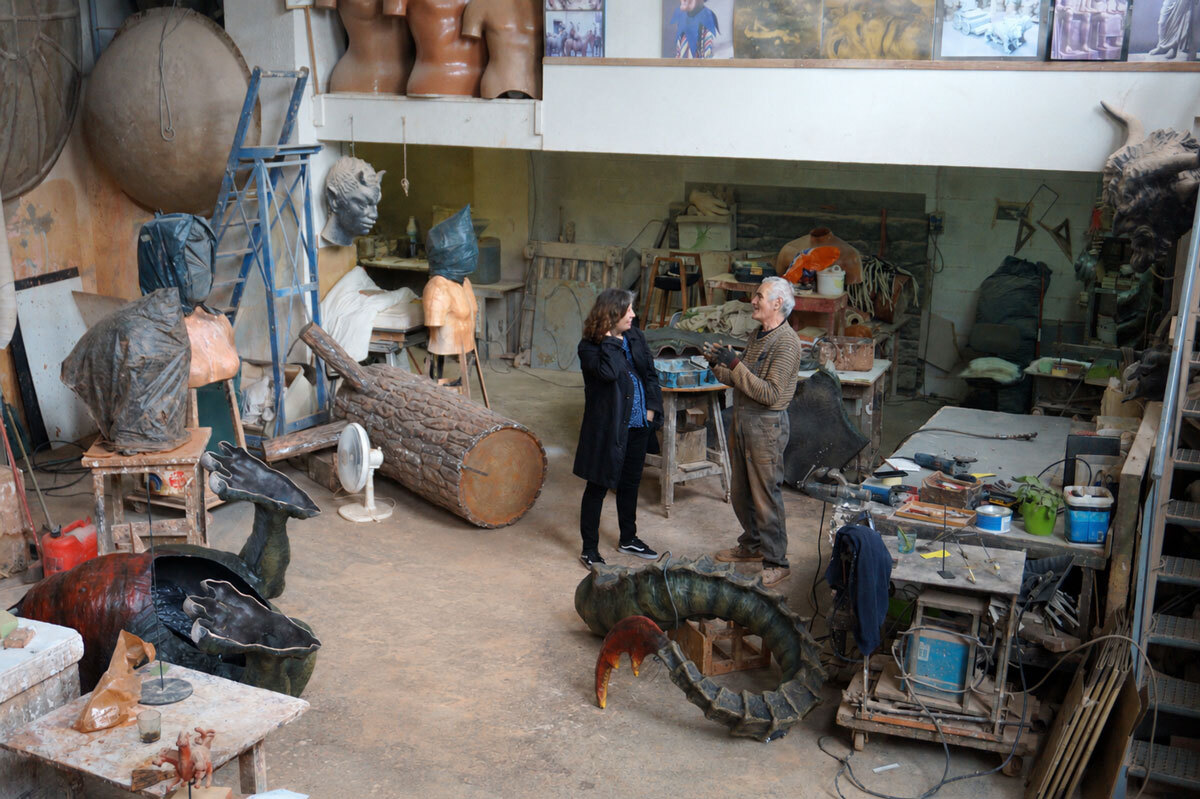
The first phase of Transversal Aesthetics residencies took place during the month of May in Barcelona. Raquel Meyers and AzkonaToloza initiated the research process by sharing methodologies, references, and questions with local agents such as artists Anna Dot, Itxaso Corral, and Malen Iturri, the Taller de Gigantes y Cabezudos Sarandaca (Sarandaca Giants and Big Heads Workshop), or biologist Elisenda Pasco (a member of the Biodiversity Research Institute (IRBio), with whom the resident artists shared face to face meetings.
In the second phase of the residency, the selected projects, Azkona Toloza's Club de Lectura del Río, and Raquel Meyers Tiempo de Monstruos, were at the Centro Huarte during the month of June to continue their development within the local context. While the Club de Lectura del Río project investigates the sonic dimension, culminating in the publication of a fanzine, Tiempo de Monstruos public programme will include several workshops and interventions which will add to the artist research ending in the creation of a body of a new protective monster for the river, using non-organic waste (basuraleza).
Both projects will be presented to the public on Saturday, June 27th at 11.30 a.m., in an event which will include a sound walk and a monstrous kalejira, starting from the Molíno de San Andres de Villava.
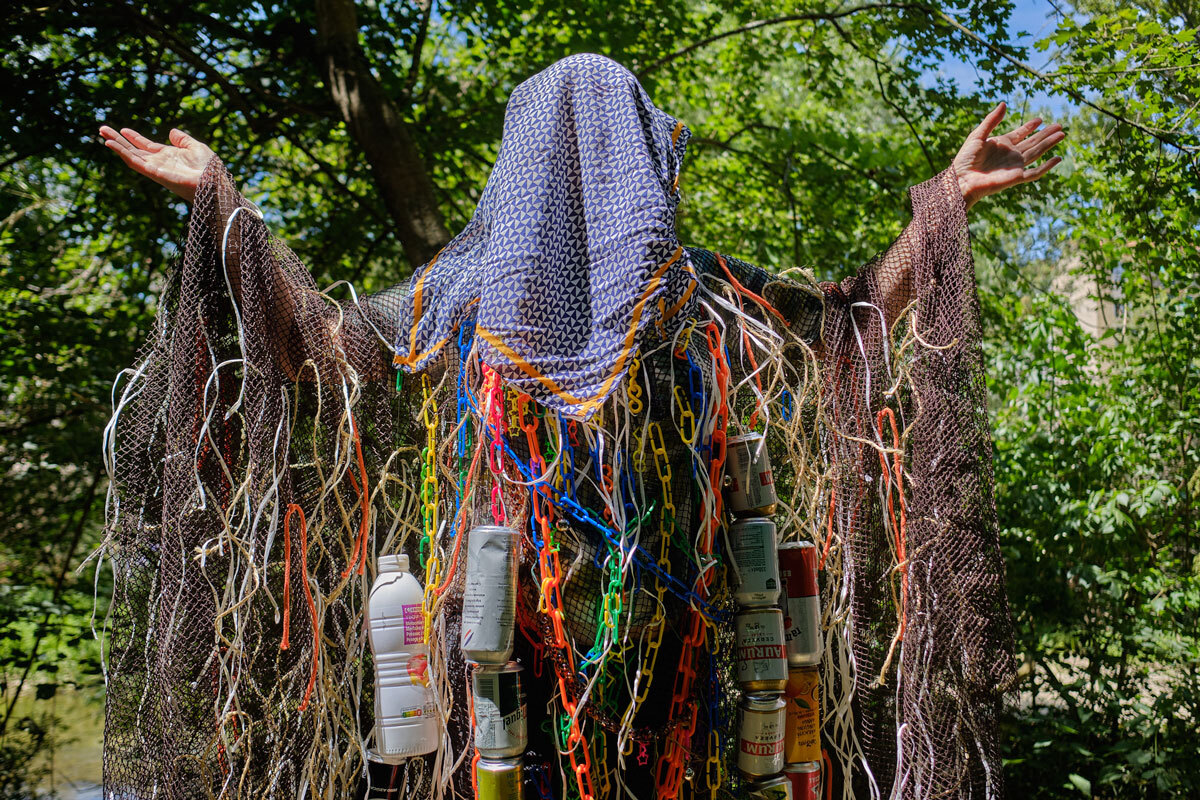
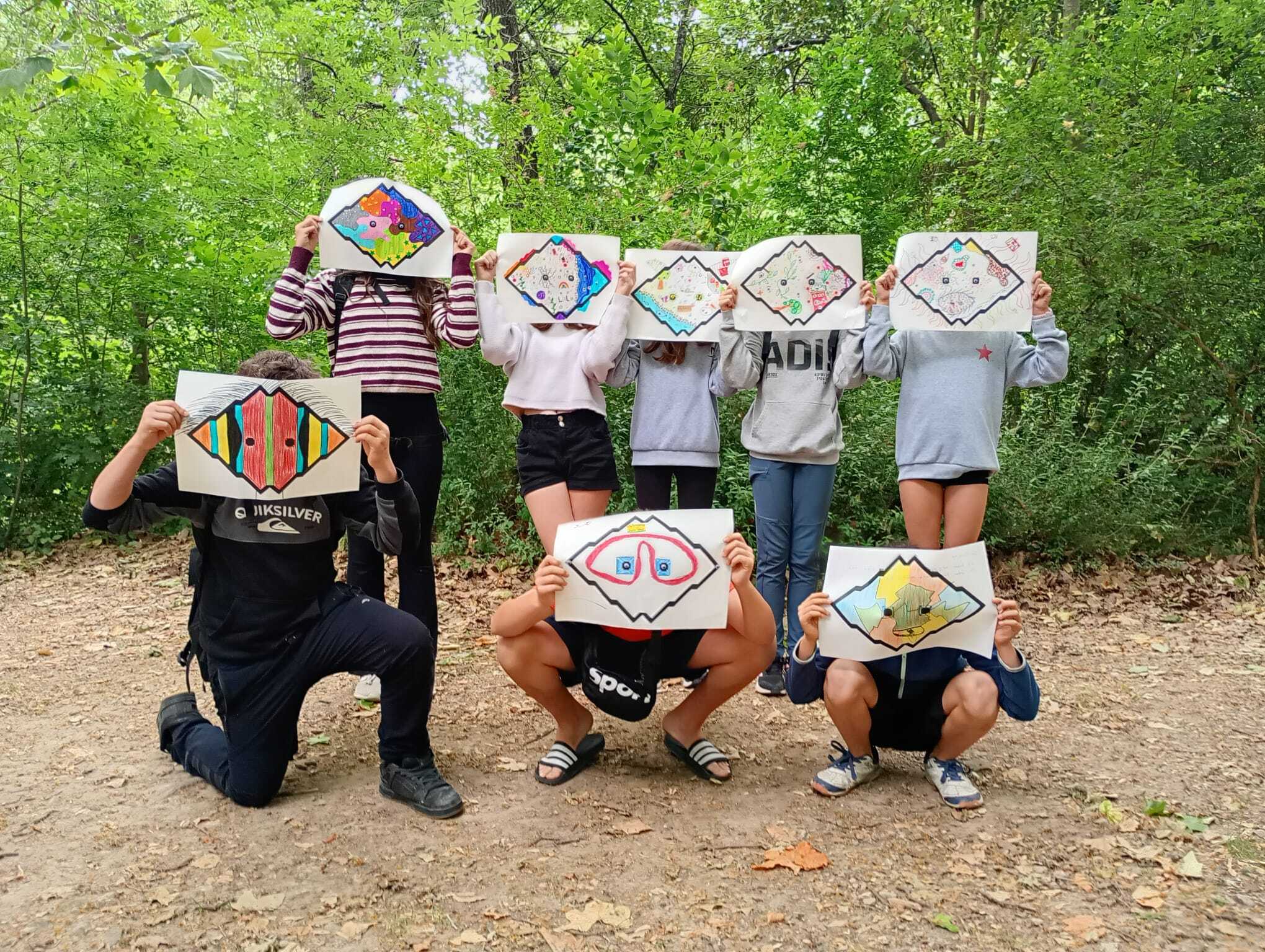
*Kalejira monstruosa by Raquel Meyers
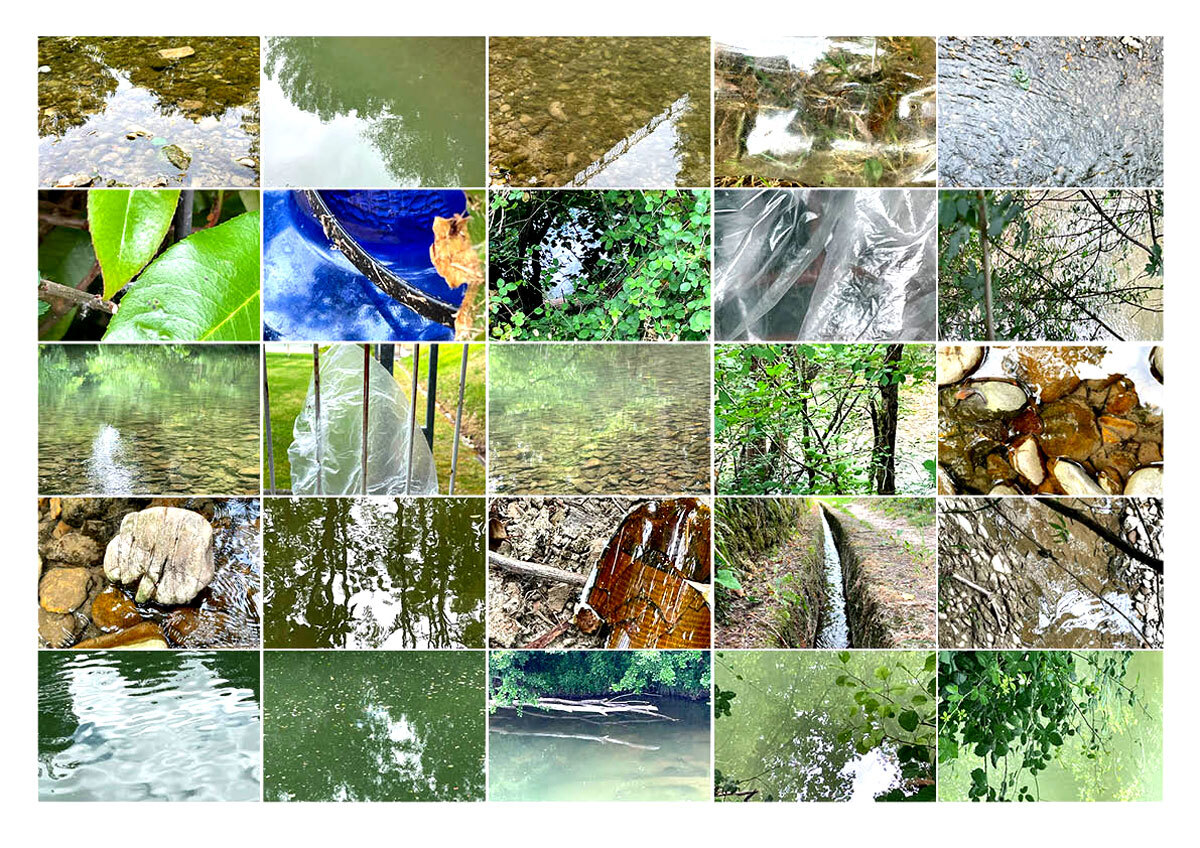
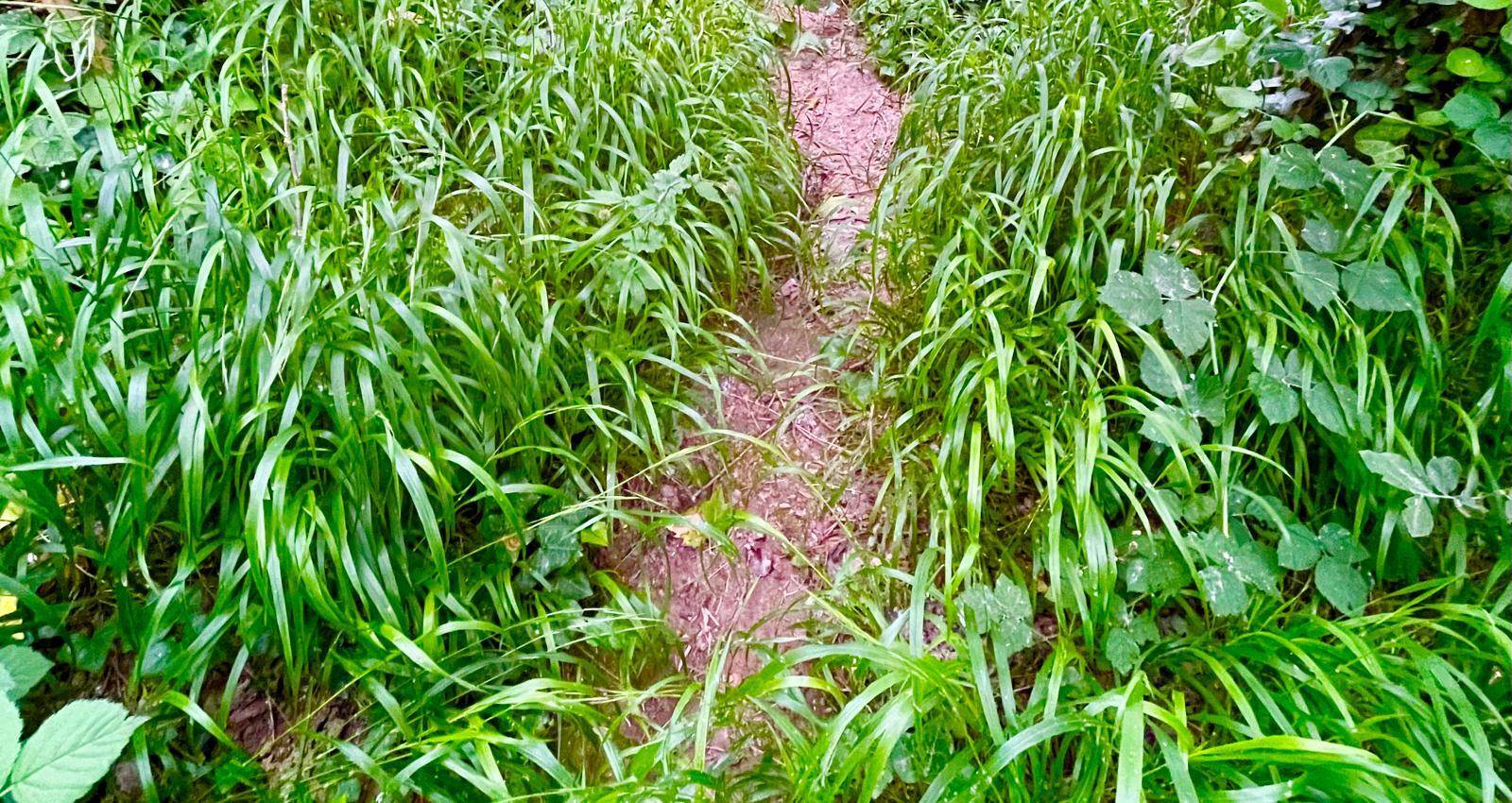
* Club de lectura del río by AzkonaTolaza
PUBLIC PROGRAMME on June 27th
11:30 - Club de Lectura del Río with AzkonaToloza. Presentation of fanzine and sound walk. Participants should bring along mobile phone and headphones/earbuds.
12.30 - Monstrous Kalejira with Raquel Meyers. A new monster, made of "trash, has appeared in the Arga river. Come with us, bringing musical instruments, cowbells, rattles, or bells.
*A programme organised by Centro Huarte and Idensitat in collaboration with the Mancomunidad de la Comarca de Pamplona and Espacio Joven de Villava.
Soñar (con) el Arga by AZKONATOLOZA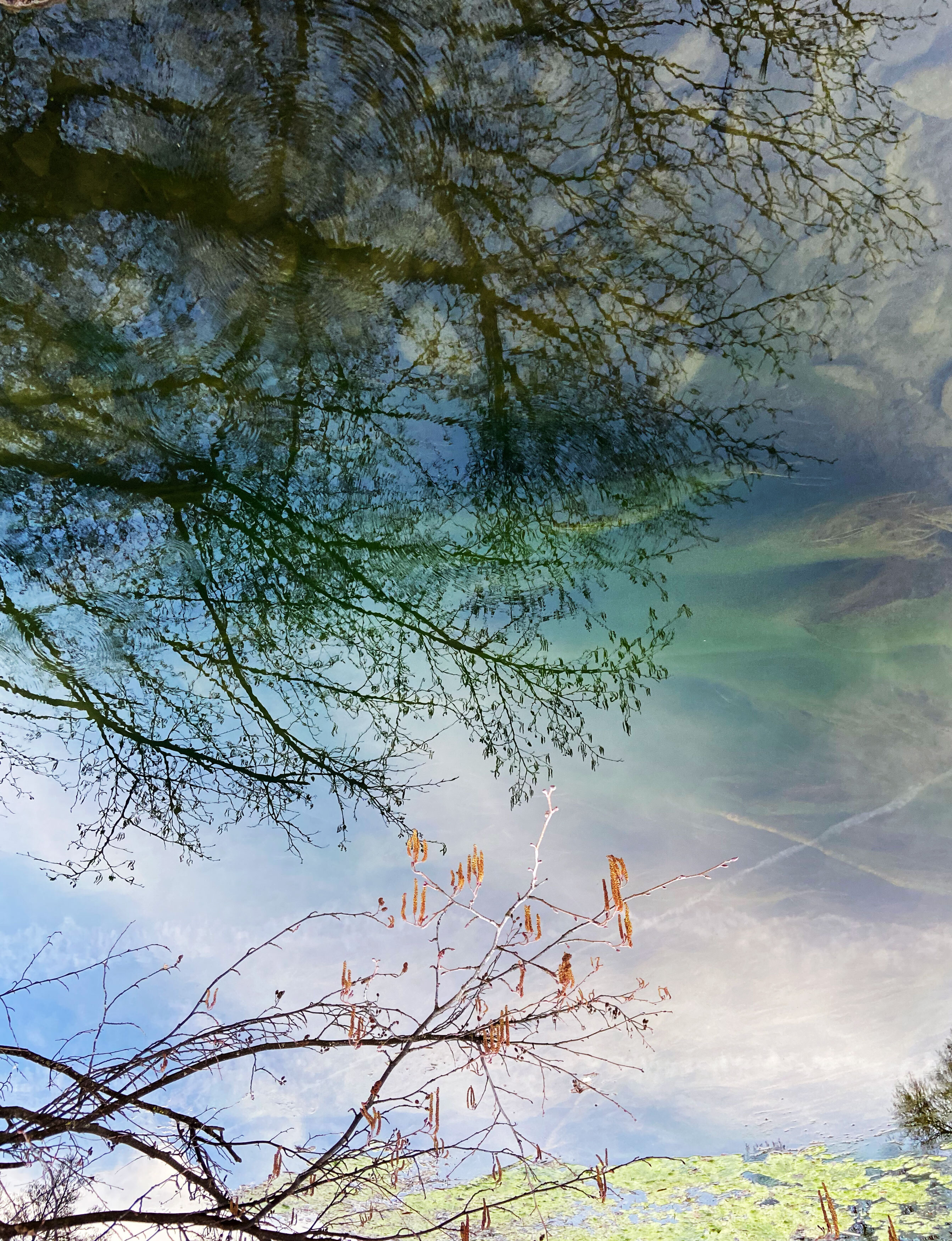 Ever since the Mesopotamian civilisation undertook the titanic task, 6,000 years ago, of channelling the Tigris and Euphrates to facilitate agriculture—through canals, dykes and dams—our planet’s rivers have, one after another, been redesigned and engineered to facilitate their coexistence with humankind. They have been civilised.
This civilising endeavour was amplified exponentially on our continent through large-scale interventions from the 19th century onwards.
There are many examples: the channelling of the Vltava river as it flows through Prague to improve navigation, the control of the Danube as it flows through Vienna to protect the city from flooding, the Seine and the new Paris designed by Baron Haussmann, the creation of a single canal to control the Rhine. To control, to channel and to civilise: related verbs.
Mitigating the impact, reducing risks, facilitating transport, dominating nature.
A century earlier, in the mid-18th century, the task of controlling rivers in Pamplona fell to Ramírez Arellano. The missions: to rid the city of Pamplona of its polluted waters, and to control the river in order to liberate the city. And so, with one water management plan after another, the Arga river gradually changed its course, thereby redefining the landscape, the region, and the lives of its inhabitants, all of them, human and non-human; redefining the body of the river, a living body made of water, plants, animals, stones, and memory.
Redefining a body?
Channeling a body?
Controlling a body?
But how? According to what criteria? At what cost? At whose expense?
By the way, can you picture what the Arga river was like in 1548?
Can you picture its banks in 1311?
Can you picture the oak trees of that forest in the year 755?
You can?
So, now, can you imagine what the Arga will be like as it flows through Pamplona in the year 2345?
Do you see that bridge? The one connecting those two avenues.
And that dam between those two neighbourhoods?
You can? Well, there used to be nothing there, nothing but a body of water, a flowing body.
We still ask ourselves these questions.
BIO
AZKONATOLOZA. Living upon the Montjuïc Hill, working between the Mediterranean Sea, the Pyrenees, and the Atacama Desert, Laida Azkona and Toloza Toloza-Fernández are two artists dedicated to creating performing arts projects.
Their artistic interest lay in the infinite possibilities of poetry and visual anthropology, lo-fi video creation, performance and movement, and their work focuses upon the creation of documentary performing arts projects.
Their work has been presented at the Grec Festival in Barcelona, the Théâtre de la Ville and the Festival d’Automne in Paris, the Théâtre Garonne in Toulouse, EuroSzene in Leipzig, the La Bâtie Festival in Geneva, the Mirada de Santos Festival in São Paulo, the Romaeuropa Festival in Rome, the Buenos Aires International Festival, the National Artists’ Salon in Bogotá, Naves de Matadero in Madrid, NAVE in Santiago de Chile, and Temporada Alta in Girona.
Tiempo para monstruos by Raquel Meyers
 Tiempo para monstruos is a collaborative social project aimed at creating a contemporary entity with mythological and ritualistic characteristics, intended to become a local landmark, with an annual procession along the Arga river to celebrate and highlight the fight against the destruction of ecosystems. Its name will be chosen by means of a public vote. Monsters torment the human imagination. We need them because they unite us in our common struggle against fate and passing fads, though they are often misunderstood for simply doing their jobs, jobs which stimulate our imagination and foster social cohesion. Without these monsters, we would not be in the mess of civilisation which we have created. Monsters change; Godzilla no longer haunts us with nuclear war, nor will lamias or kappas drag us down rivers to eat us and make us vanish. We have normalised monsters, but they are still there and have mutated. They have become something else, such as the rubbish littering the city—energy drinks, packaging and wrappers from fast food and processed food—or the disposable wipes discarded in every nook and cranny of a green route, creating new entities.
BIO
Raquel Meyers. An independent artist and researcher who has been working with obsolescence as a tool of resistance since 2004, using media such as photography, the typewriter, the fax machine, teletext, a Commodore 64 and embroidery. Her artistic practice centres upon a critical perspective on the everyday use of technology, as well as its paradoxes and implications beyond nostalgia, aesthetics, or solutionism, by which current events force us to take a position of resistance against the techno-totalitarianism which looms over us. Her work has been exhibited at festivals and galleries including Ars Electronica, Transmediale, Xpo Gallery, La Casa Encendida, Liste Art Fair Basel, BmoCA, SeMA NANJI, LABoral, iMAL, HeK, ETOPIA, Espai Casinet and Eufònic Urbà.
In Transversal Aesthetics, context goes beyond a specific physical space. It encompasses the territory and its multiple temporalities; the beings who inhabit it — human and non‑human; local communities; the working teams; and the pre‑existing practices, knowledge and tensions. The organising entities are not neutral containers but active parts of the context, assuming their position, responsibilities, and capacity to influence the process.
— BARCELONA
The Barcelona phase of the residency lasts three weeks and is intended for the two selected artists to share a research process and generate a conceptual framework for their respective projects. With the support of Idensitat, artists will be able to connect with organisations, individuals, and cultural and social institutions in Barcelona that can inform the conceptual development of their proposal.
Idensitat will offer its workspace at Fabra i Coats – Fàbrica de Creació, where activities may be held subject to availability.
— HUARTE
Huarte, home to the Huarte Contemporary Art Centre, sits alongside Burlada and Villava on the outskirts of Pamplona. All three towns follow the course of the Arga River, which has shaped historical and cultural links between them. In recent years, the boundaries between the natural, the rural, and the urban have shifted due to urban and population growth, the transformation of farmland into leisure areas, and the river’s flows and overflows. This geographical setting — marked by the river and its connected natural and urban ecosystems — defines the specific working context.
The methodology of Transversal Aesthetics is conceived as an open model without a fixed structure, functioning as a research space in itself. It is built in a situated manner through constant dialogue with contexts, agents and the processes activated in each project. Instead of applying a predetermined method, it focuses on deploying a flexible, permeable and continuously adjusting way of working that enables artistic practices, relationships and learning to emerge through shared experience.
Projects developed under this call are structured through three common axes:
- Two temporary artistic residencies for conducting research in the working contexts.
- Work with an existing territorial node or one created for the project (a constellation of agents, organisations or individuals).
- The articulation of mediation actions (transfer of knowledge and learning linked to other areas or themes).
These three axes may intersect, blend or coexist, and their rhythms will be agreed in advance between the artists, the territorial node and the involved institution(s), according to the real needs of each party.
Projects will be accompanied at all times (in Huarte and Barcelona) by a local cultural agent familiar with the territory who will advise and guide the process.
The artist may work with previously formed territorial nodes and/or mediation actions, which may change or expand during the project. Centro Huarte and Idensitat will collaborate with the artist and the local node to activate the mediation actions emerging from the project.