Exhibition and public programme VAPORES
Beatriz Freire's artistic residency and educational activities in the localised context of the Monnegre River.
The Monnegre River is special. Throughout its course, almost always with an intermittent seasonal flow, we find both a hundred year old and recent hydraulic infrastructures, resiliency vegetable gardens, underground pipes, water and orchards which emerge from the Alacant North Waste-Water Treatment Plant. There is also a great variety of plants, birds and insects, and social memories which define its landscape and its identity. In this river, the hydrological cycle has ceased to govern the rhythms of the water. The well-being of this environment’s human and non-human ecosystems now depends upon an irregular supply of treated urban water, or often intense seasonal rainfall.
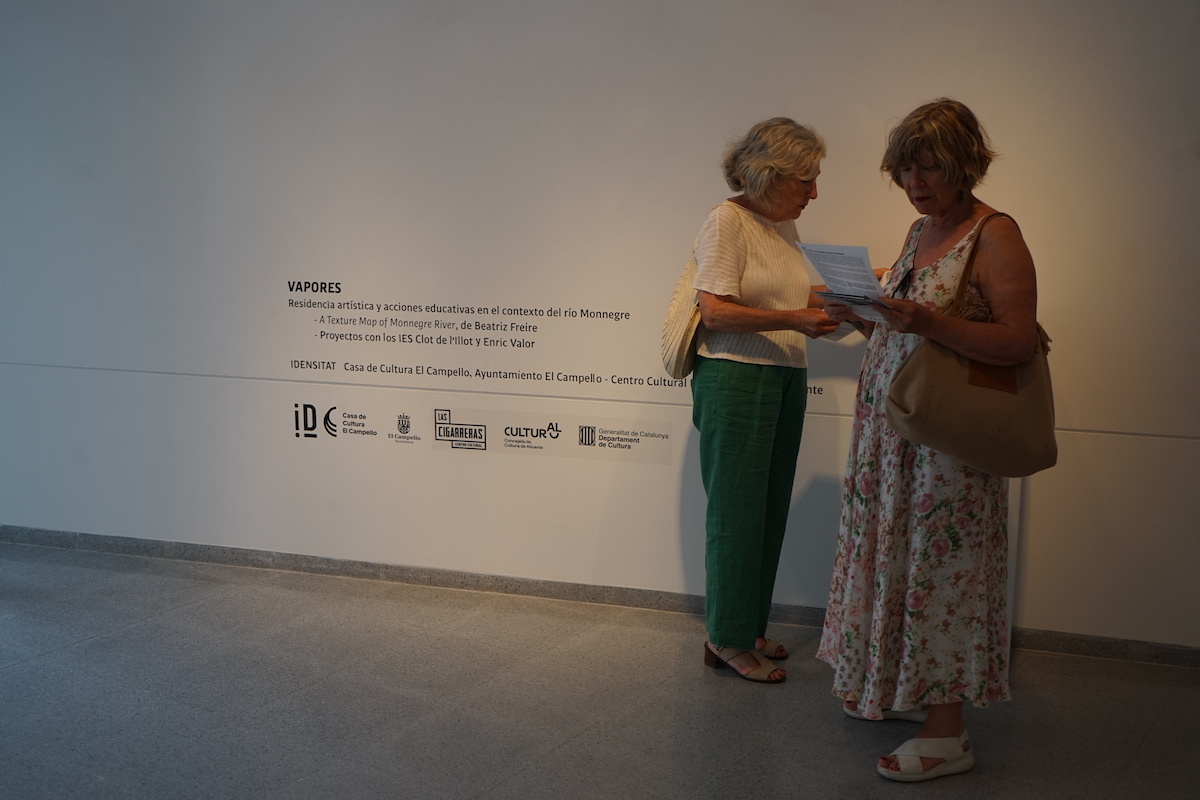
VAPORES is an Idensitat project together with the Casa de Cultura El Campello and the Centro Cultural Las Cigarreras in Alicante, focusing upon the Monnegre River and its multiple social meanings, its artistic possibilities, and its environmental significance.
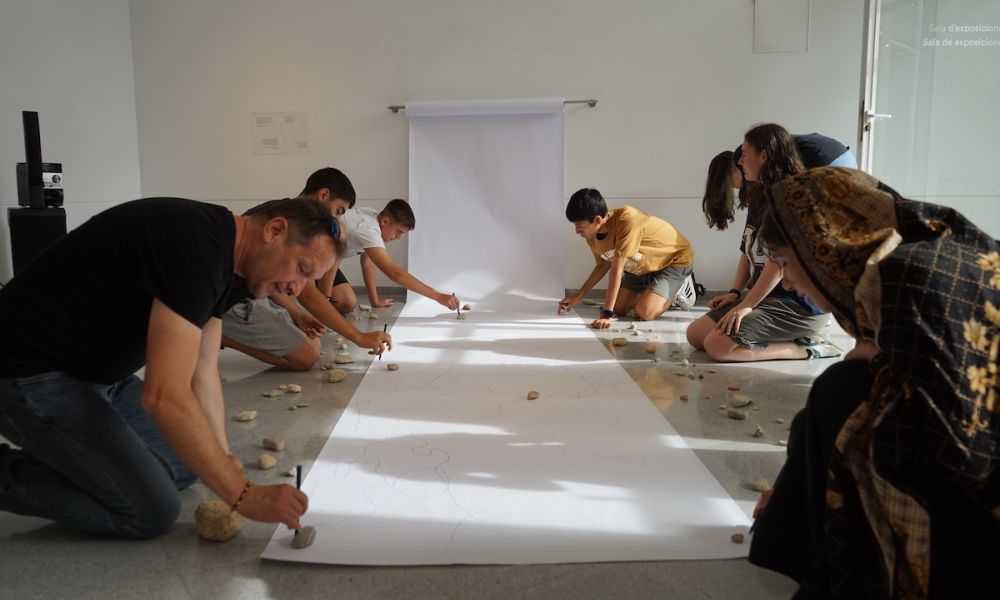
The project has developed two lines of work in parallel, which in turn have generated mutual understandings and shared echoes: a residency of artistic investigation and production by artist Beatriz Freire, selected in an international open call; and a series of artistic mediation processes in El Clot de l'Illot and Enric Valor, two secondary schools in El Campello. This exhibition displays how this project has made use of artistic processes to explore connections and relationships between the artist in residence, the educational context, and the river.
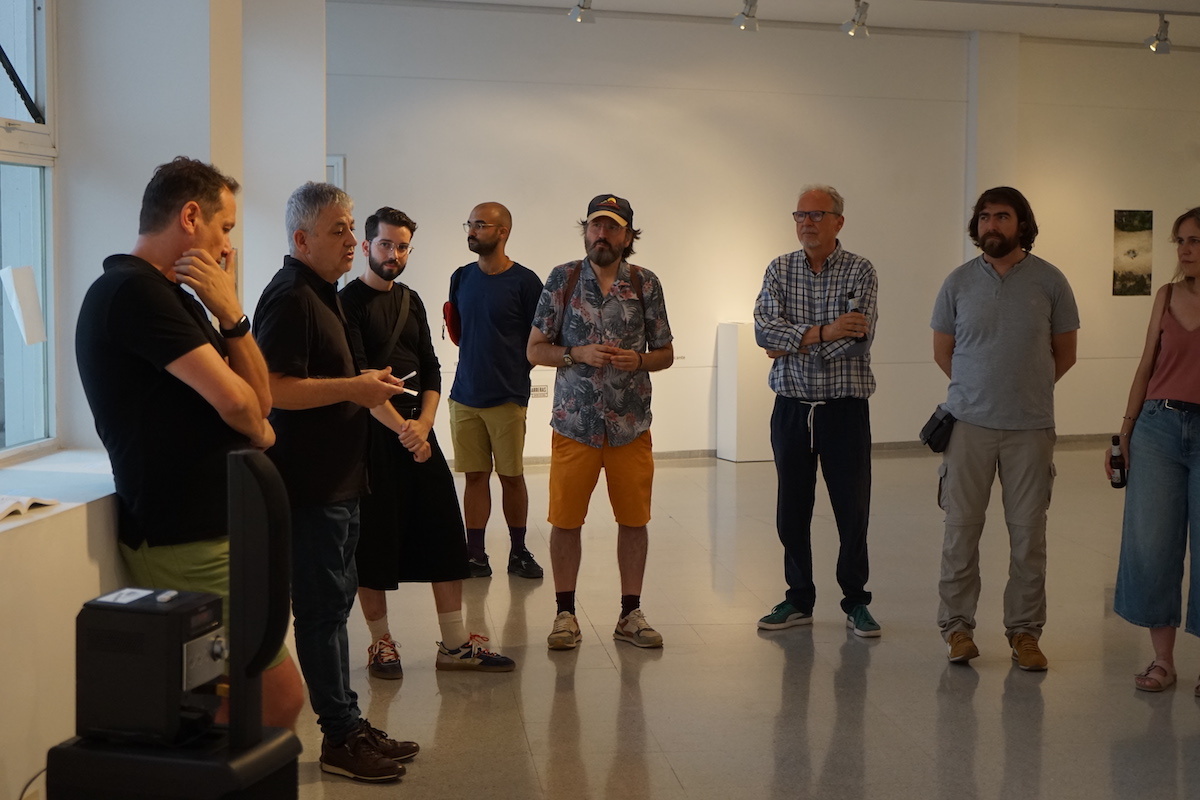
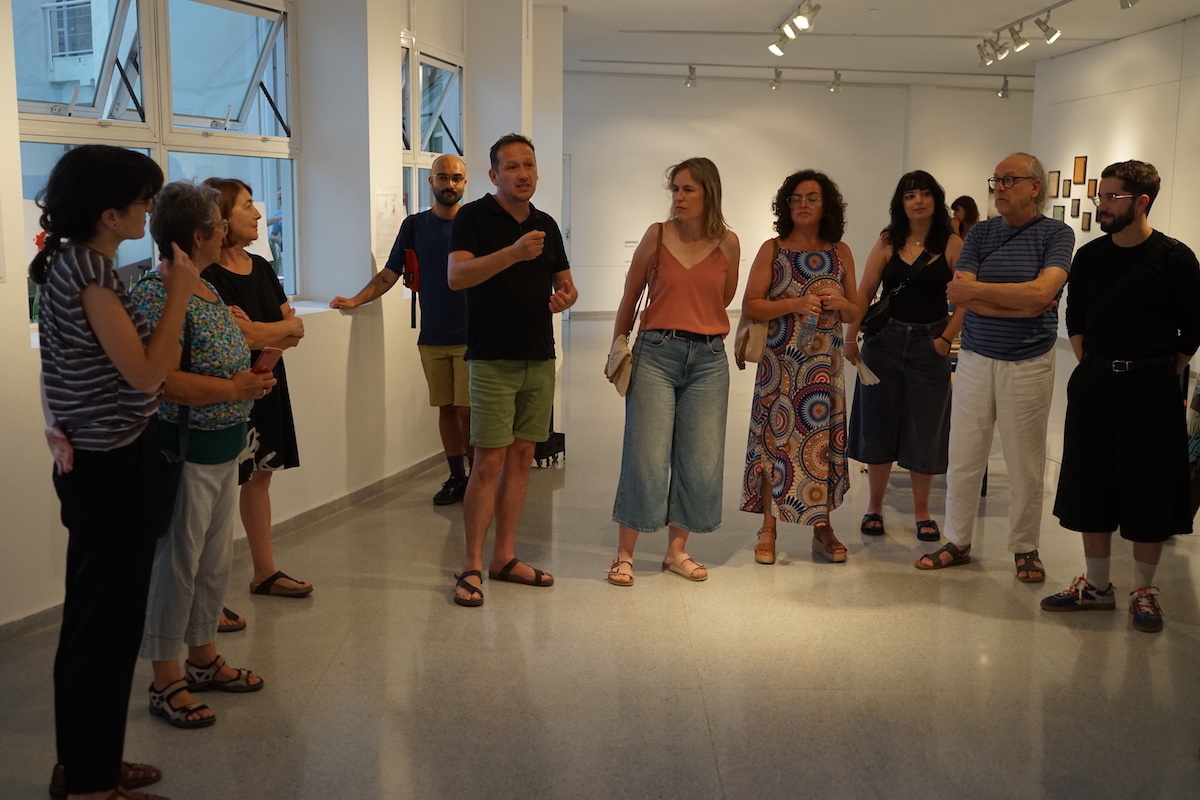
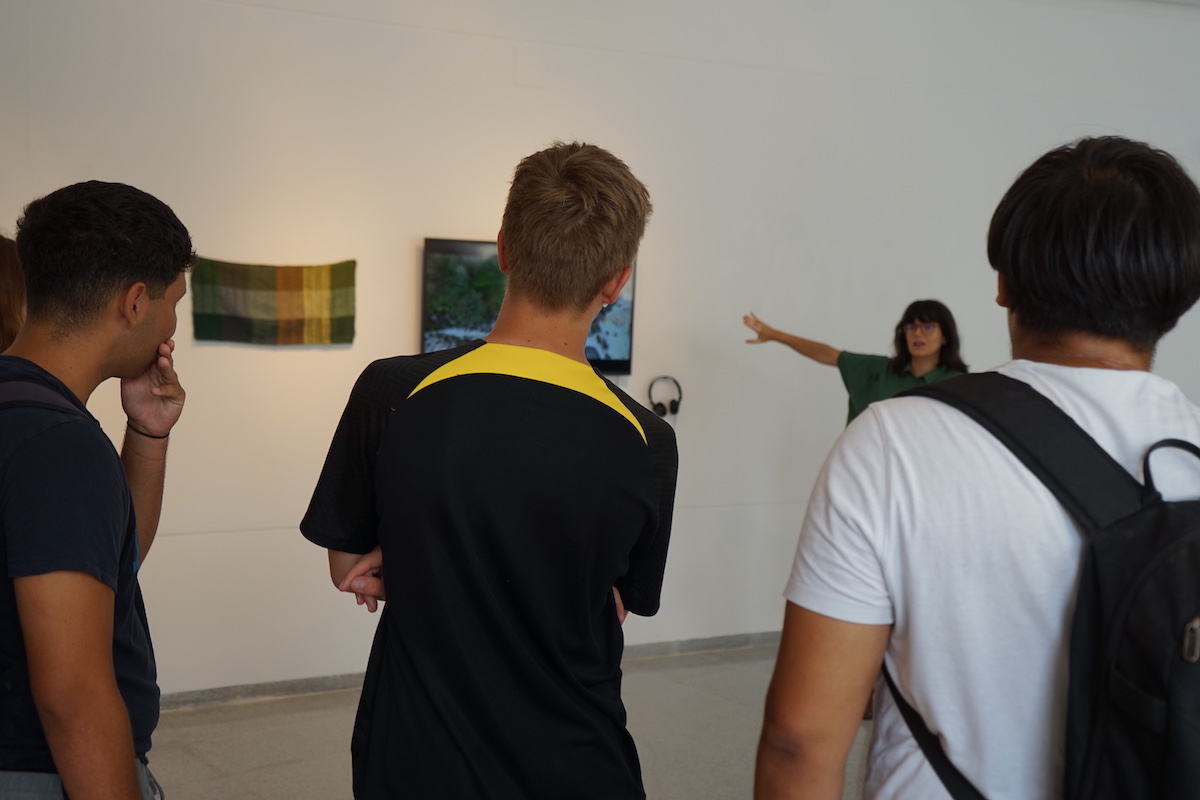
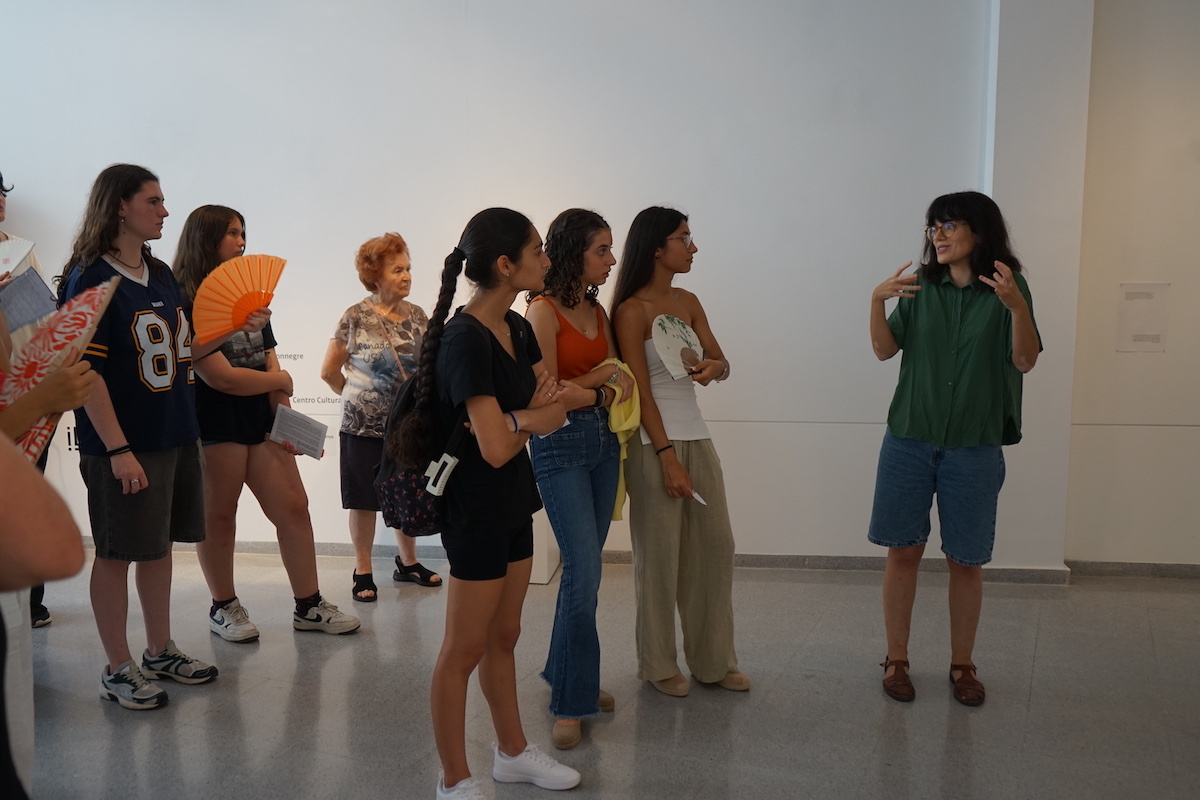
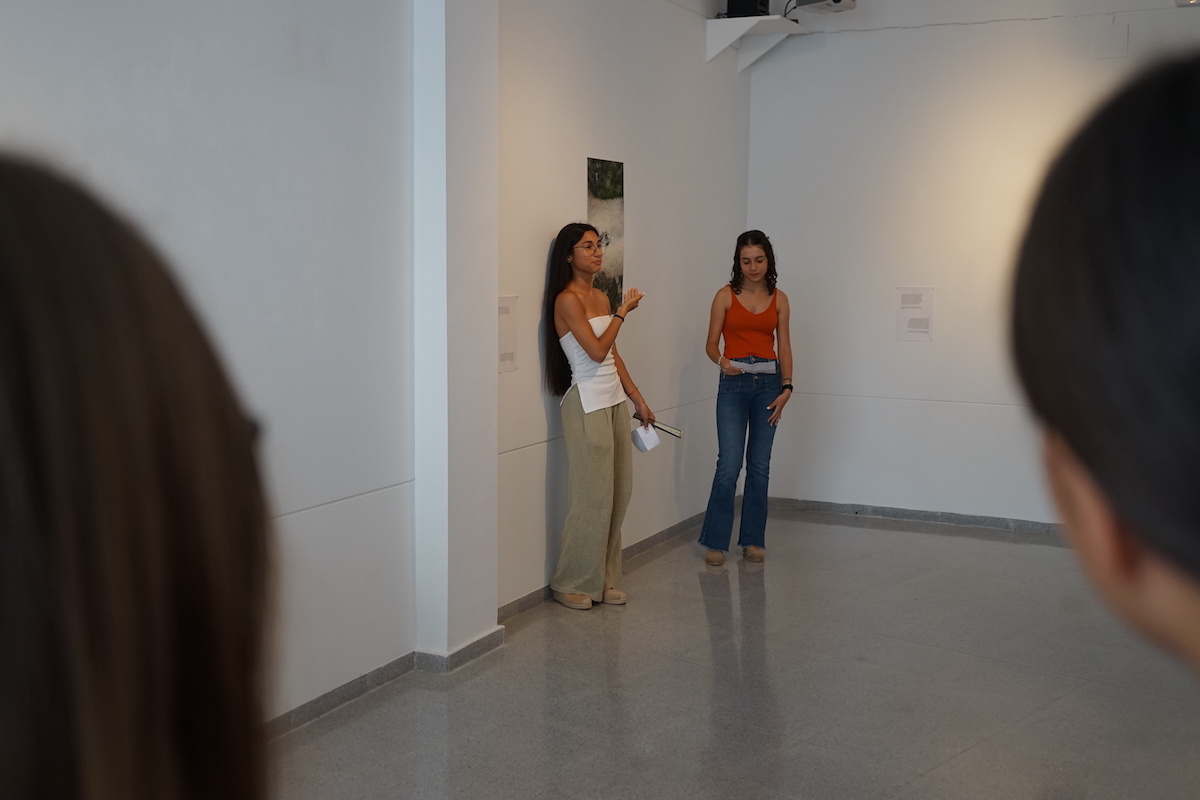
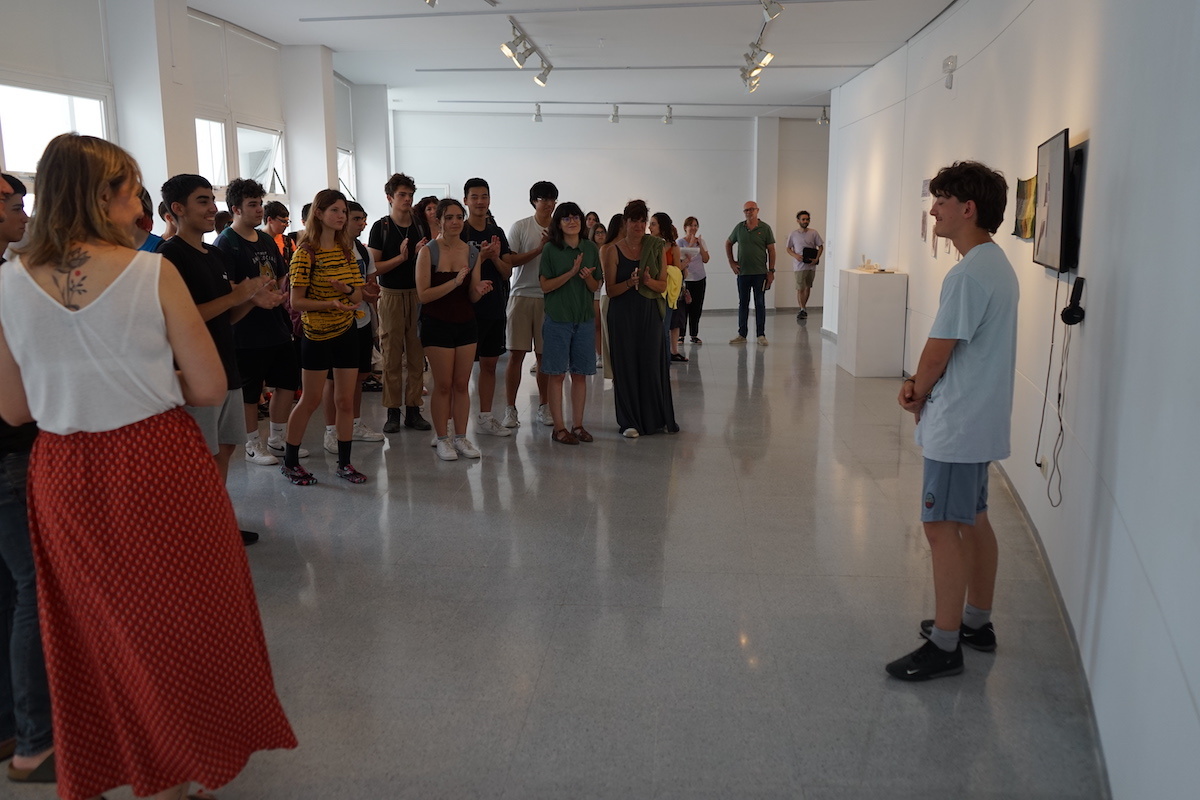
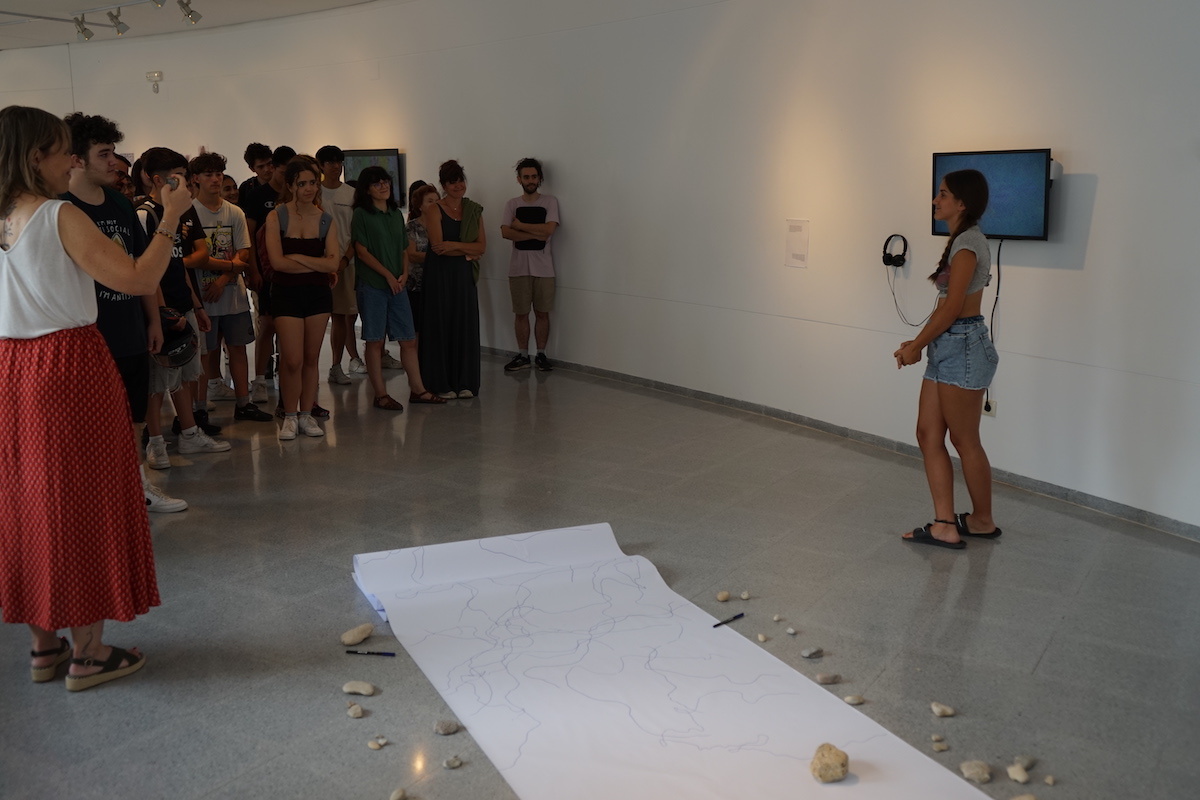
From 9th to 29th of June, the exhibition hall of the Casa de Cultura in El Campello will host an exhibition of the processes and results from the VAPORES project, as well as a series of activities with schools and the artist in residence.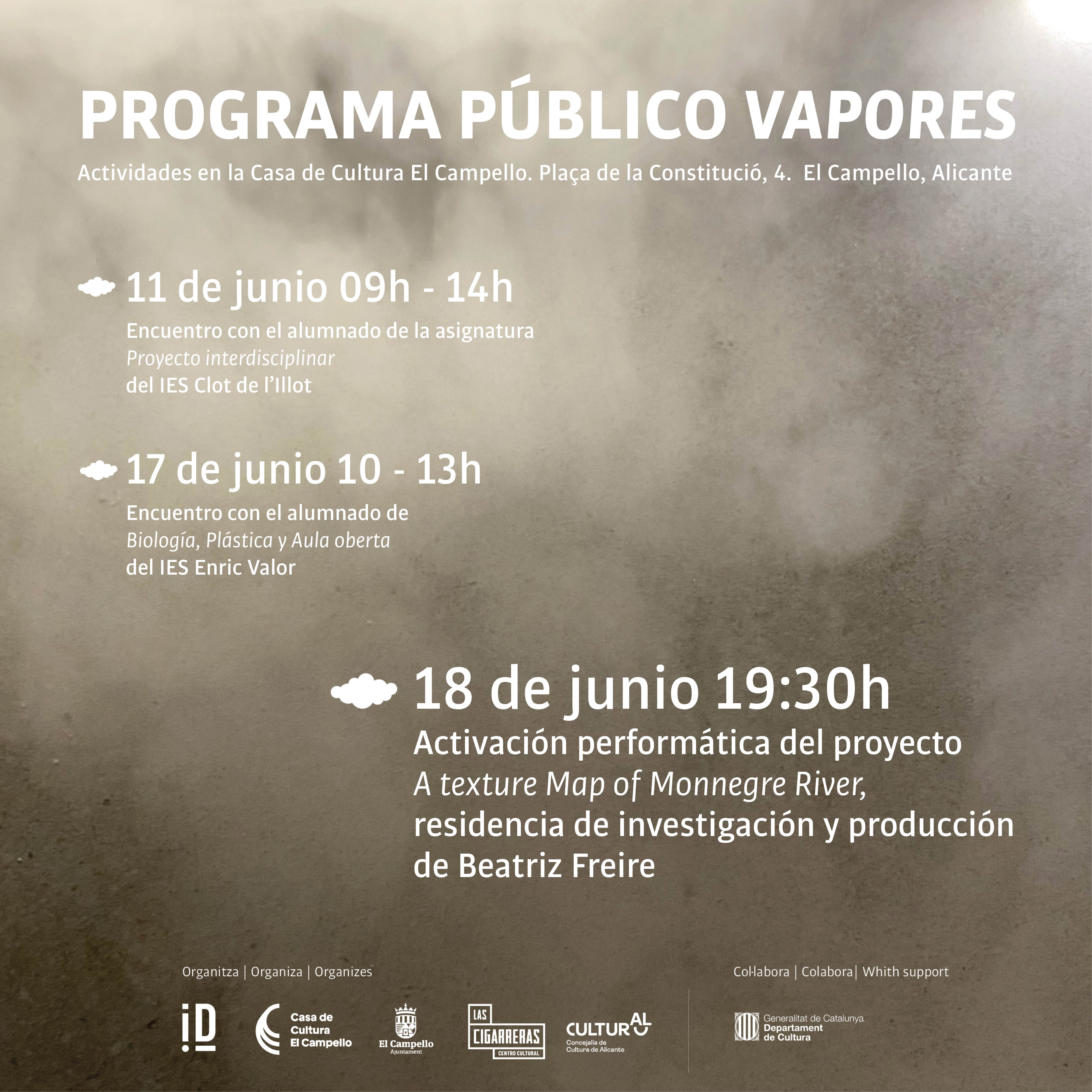
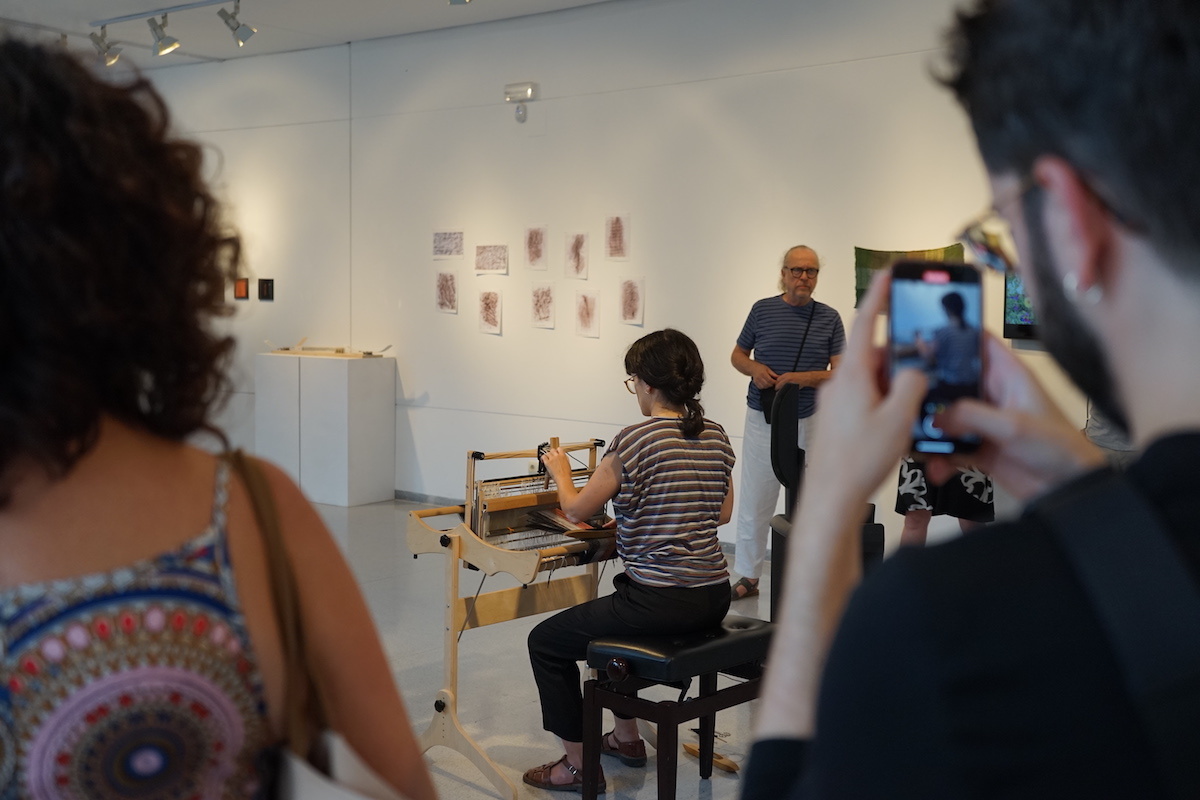
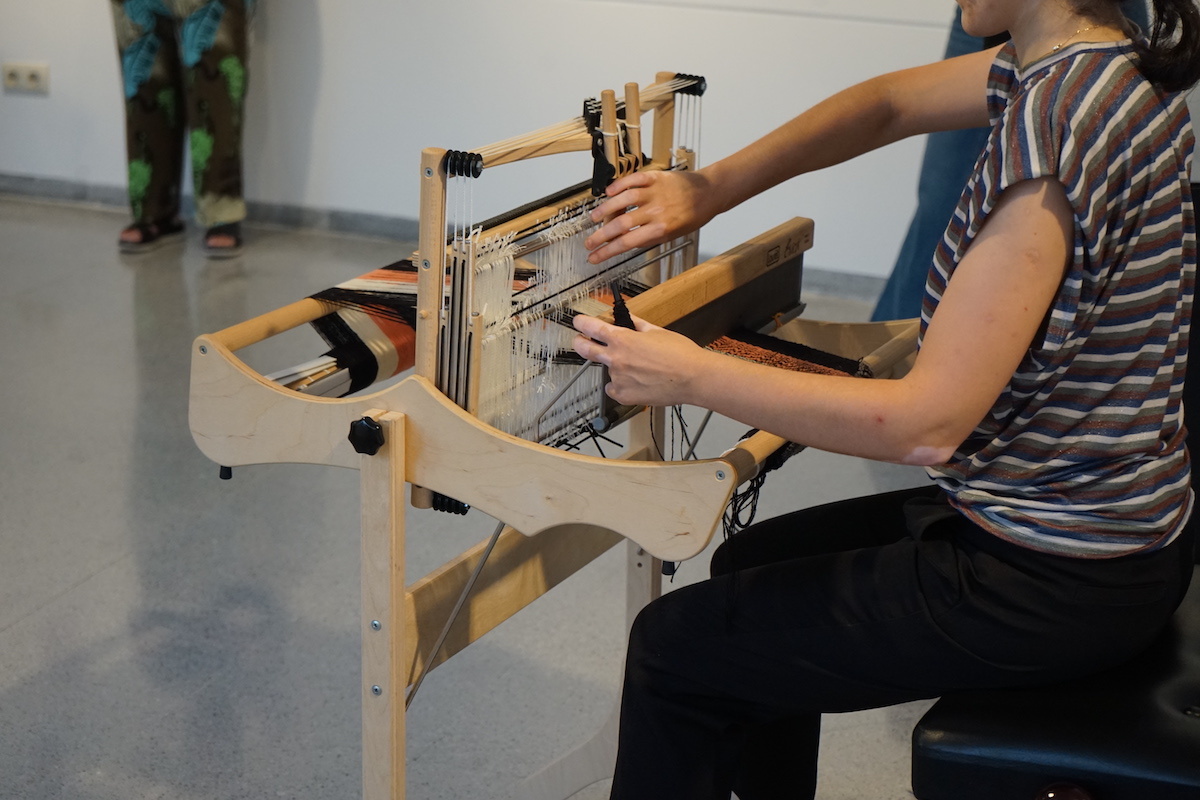
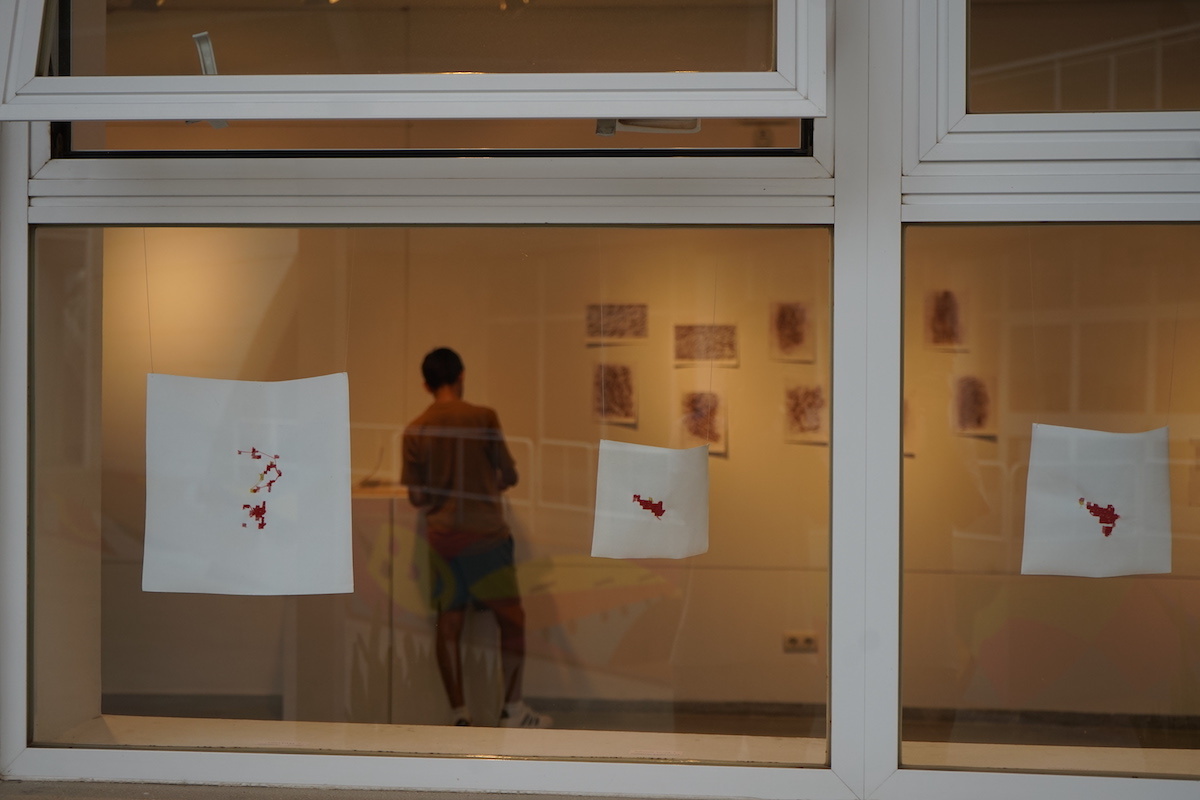
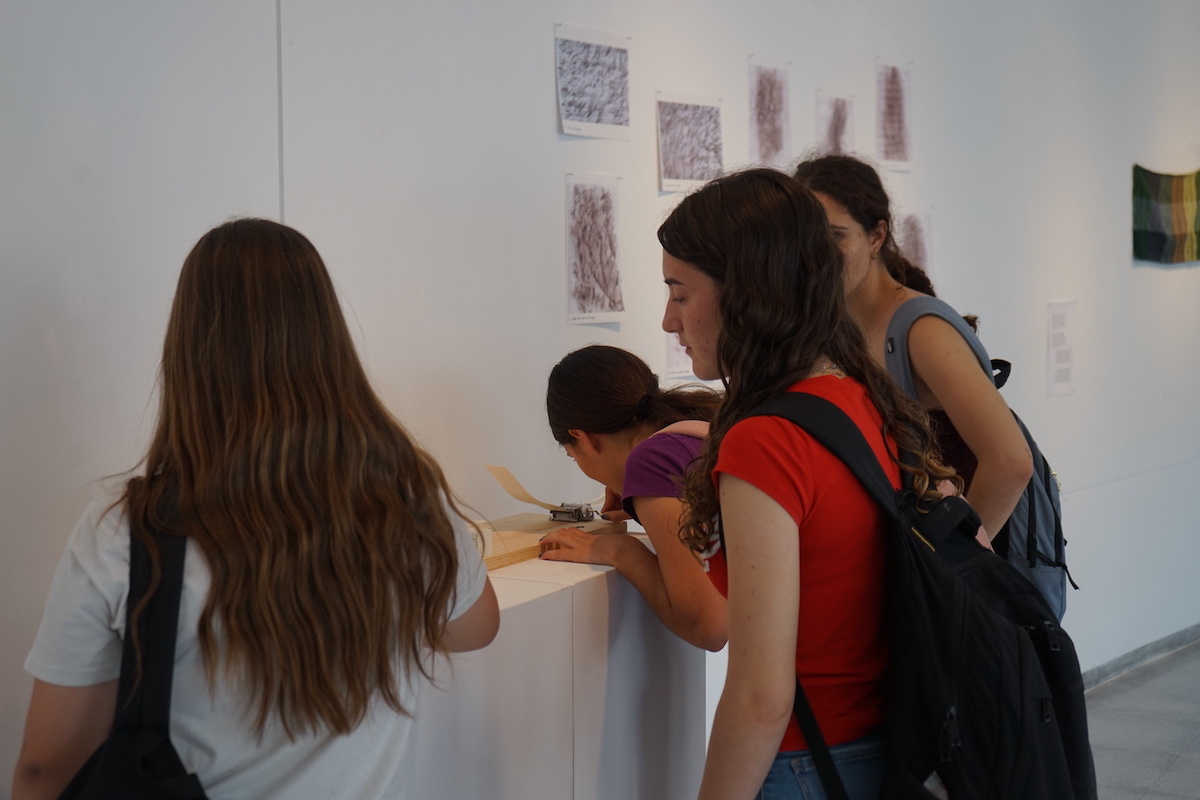
Texture Map of Monnegre River, by Beatriz Freire, is a sensory mapping of the Monnegre River, focusing on its visible and invisible textures realised during two months residency. Inspired by Anna Lockwood’s A Sound Map of the Hudson River, the project does not attempt a conventional cartography, but rather a poetic and material exploration of the river landscape. Through techniques such as photography, video, frottage, or the collection of materials, the project translates trace elements of the river such as: stones, sediments, vegetation, and evidence of water flow into graphic patterns and textile notations. In addition to the visual aspect, the project emphasises soundscapes, captured using a recorder, a contact microphone, and a hydrophone. These recordings will be analysed with spectrographic software and converted into graphics which, in turn, will be translated into textile structure codes.
The aim is to generate a sensory archive which creates a bridge between sound, image, and matter, proposing new ways of reading and inhabiting the environment, decolonising the senses, and opening up new forms of perception.

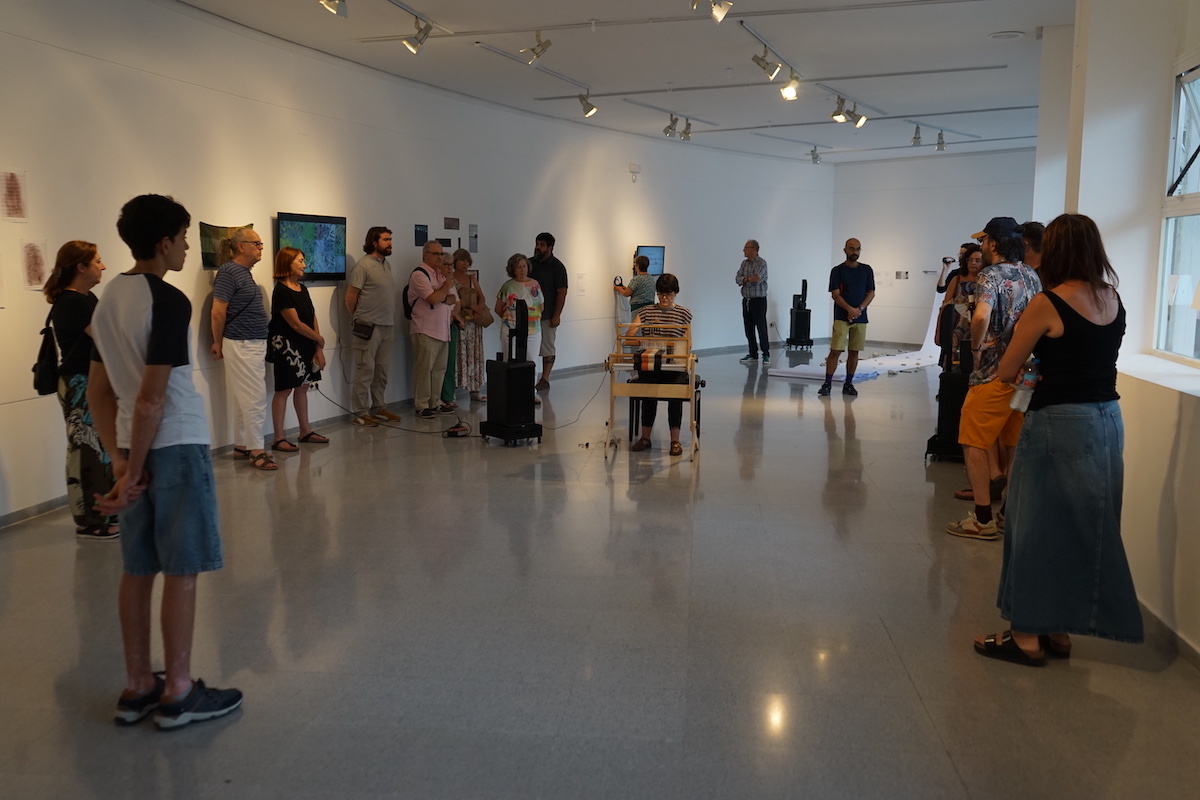
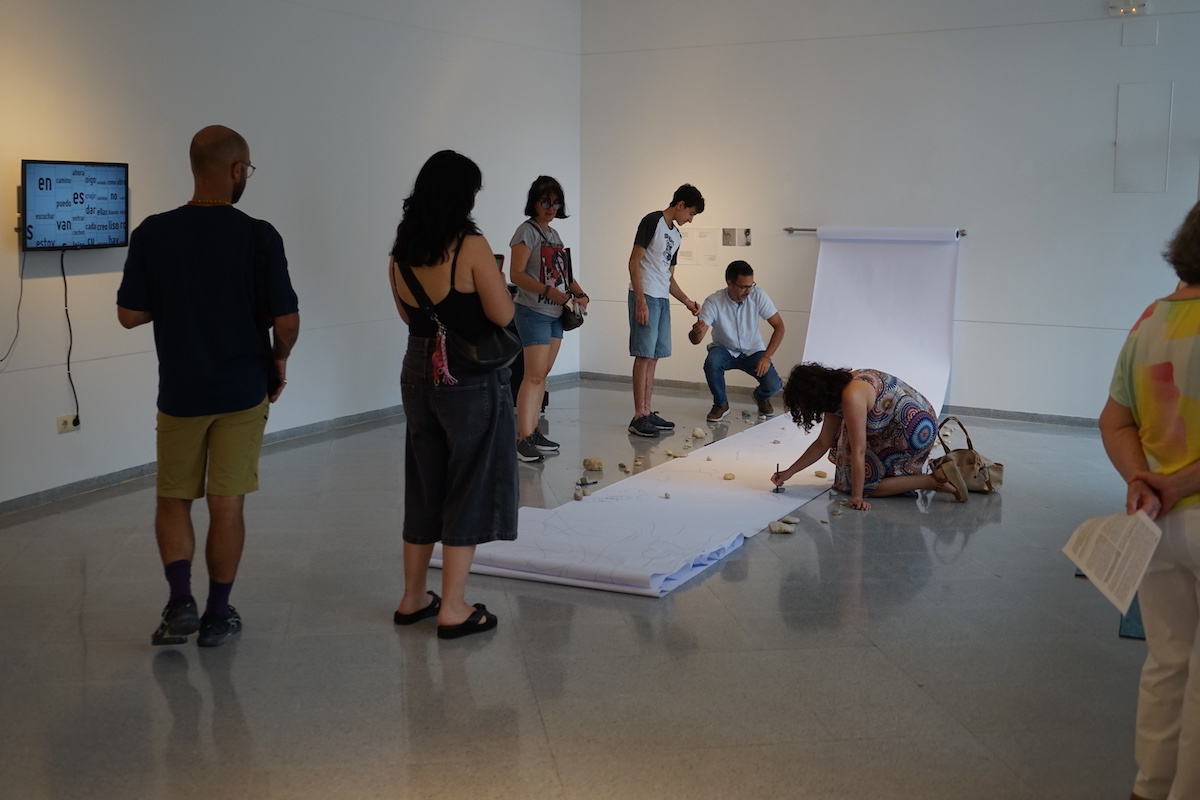
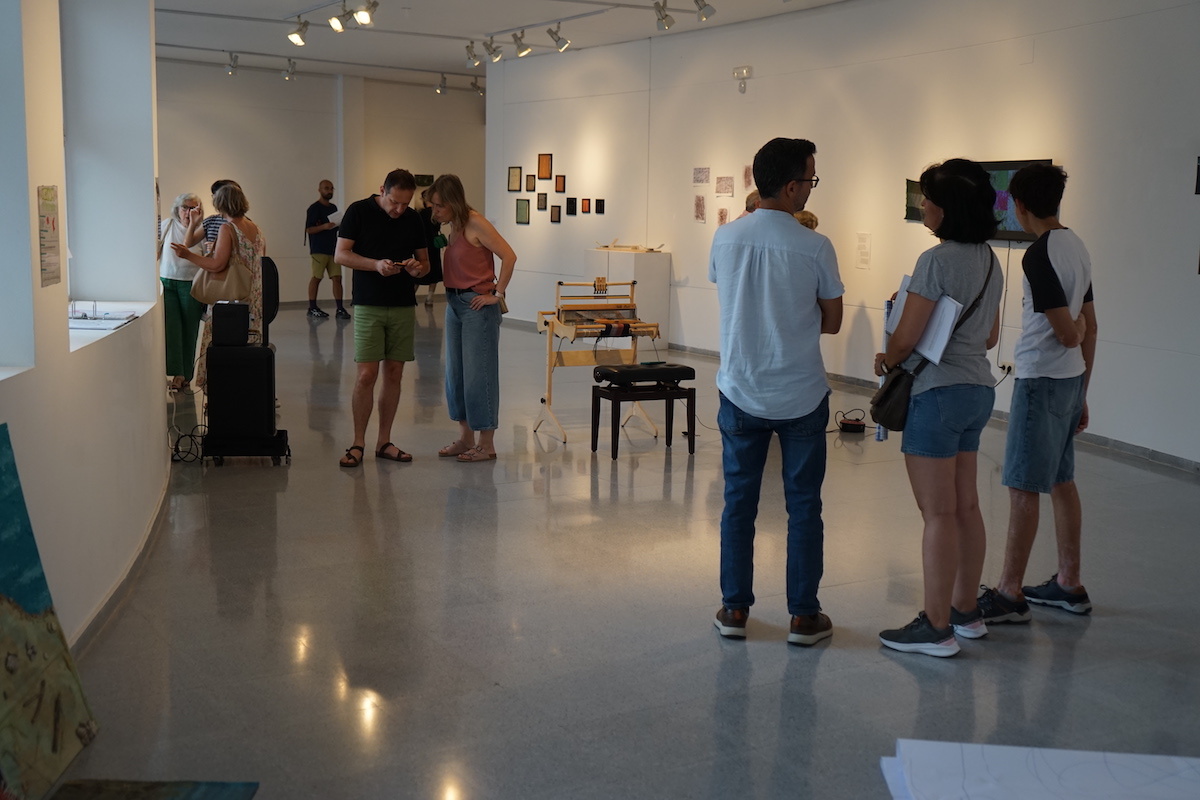
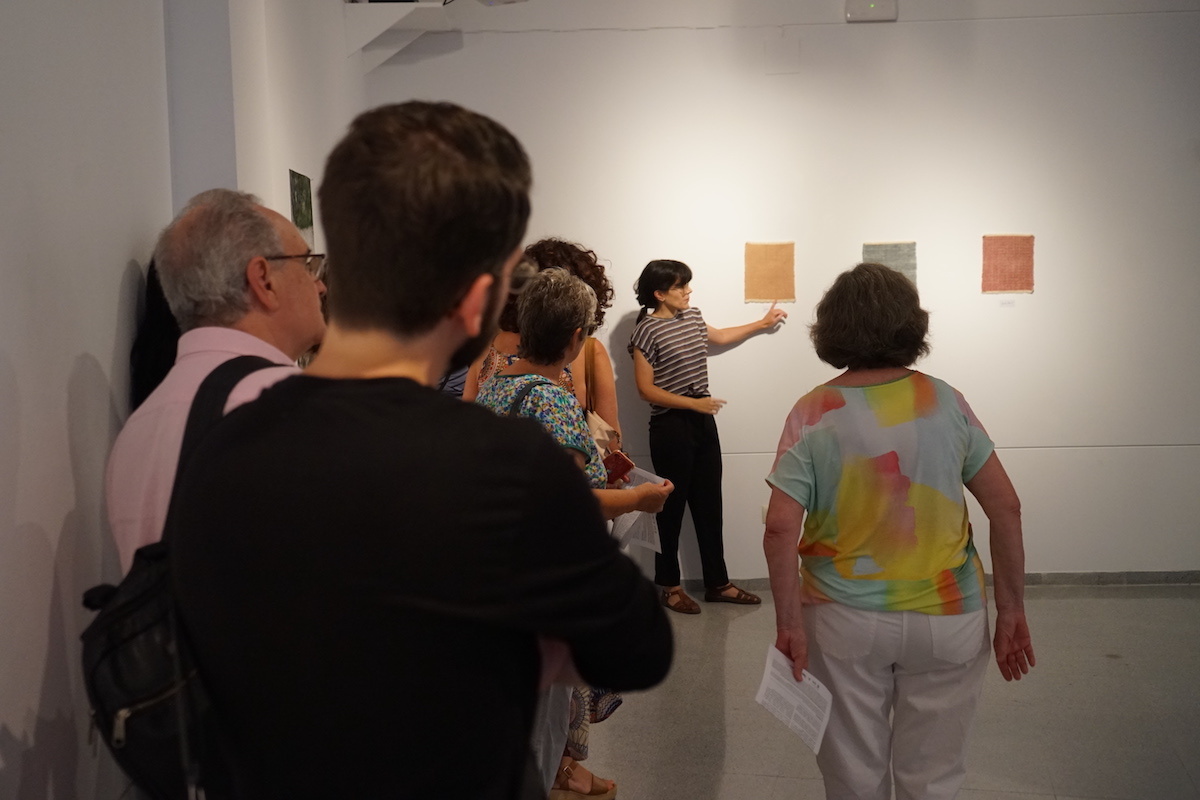
Artistic projects by students of Biology Class and Artistic Expression Class (IES Enric Valor), and Interdisciplinary Project (IES El Clot de l'Illot).
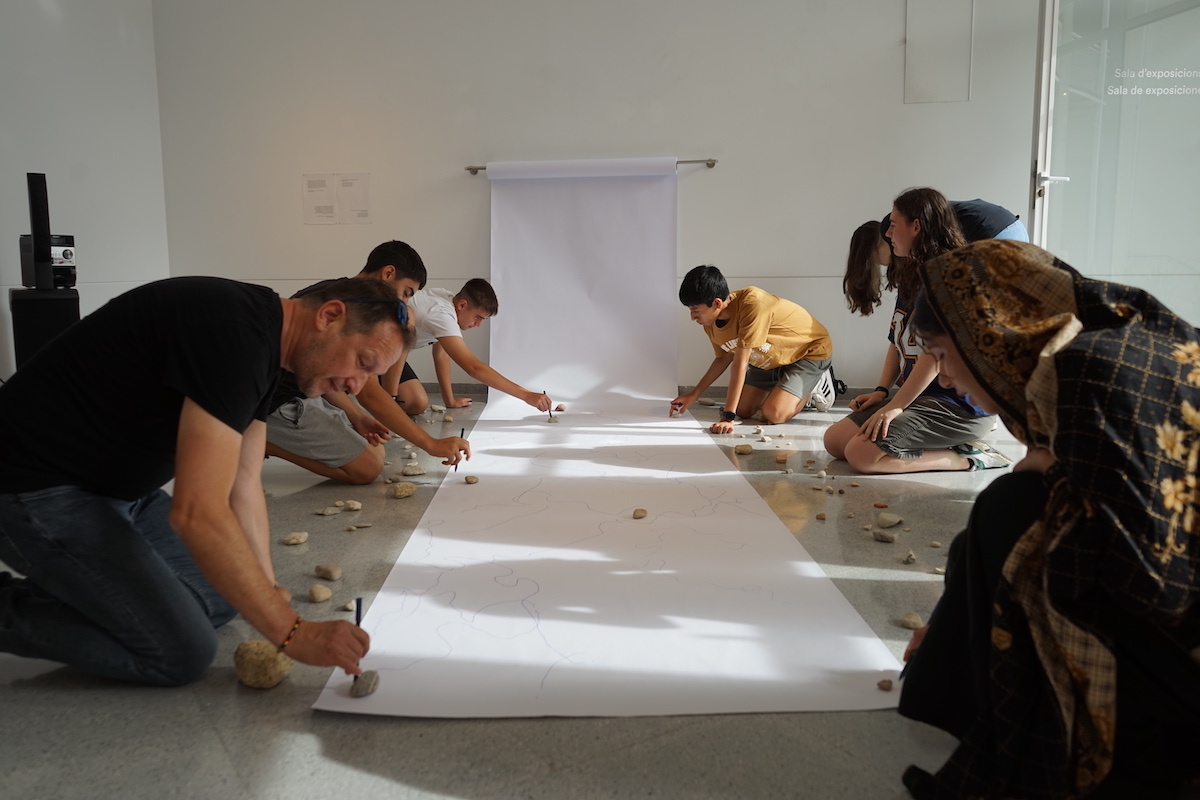
Between April and May, a series of artistic mediation processes were carried out both inside and outside the classroom. During these months, students explored various artistic techniques and languages; painting, printing, photography and video, archiving, soundscaping or writing, with the aim of encouraging a creative and attentive examination of the river environment, drawing students closer to contemporary practices which touch upon nature, social space, and art.
The experience shared by Beatriz Freire, the teachers, and students of the high schools, has produced interactions and connections between both lines of work, resulting in various ideas in common with Monnegre River at the centre of artistic mediation processes, enabling a dialogue between the educational context and artistic practices.
The 4th year secondary students in IES Enric Valor’s Artistic Expression class participated in the Vapores project with the Monnegre River as the centre of their artistic production. Inspired by Alicante artist Juana Francés, the students chose to use the language of material informalism, and gesturality as their technique, with which they applied gouache and non-pictorial elements such as earth, sand, and other materials from the river landscape. They studied the ground and this changes the compositional process by treating the surface from an overhead and horizontal points of view. These canvases are in dialogue with the project in residence, A Texture Map of Monnegre River, as they incorporate meshes made of hemp yarn. This plant, moreover, converges with the ancient tradition of hemp spinning in the artisanal factory La Senda in El Campello, connecting various generations through contemporary artistic works.
The 1st year of Secondary School students from IES Enric Valor made a botanical catalogue with the description of some of the plant species which grow along the banks of the river Monnegre. Some of them have been chosen because they are endemic and form part of the Valencian Catalogue of Endangered Flora Species. Others, on the other hand, are locally abundant and are representative of the limestone and gypsum soils over which the river flows. In addition, the students made use of coffee to print a plant (baladilla) on white paper, then retouched the result with coloured pencils, a process related to concepts studied in the artistic expression class.
The plants described in the catalogue are:
- Endemic plants: Vella lucentina, Sideritis leucantha, and Thymus moroderi.
- Species typical of sub-arid scrubland: Astragalus hispanicus, and Anthyllis terniflora.
- Typical gypsum species: Teucrium libanitis, Helianthemum squamatum, and Ononis tridentata.
- Riparian species: Nerium oleander, and Tamarix canariensis.
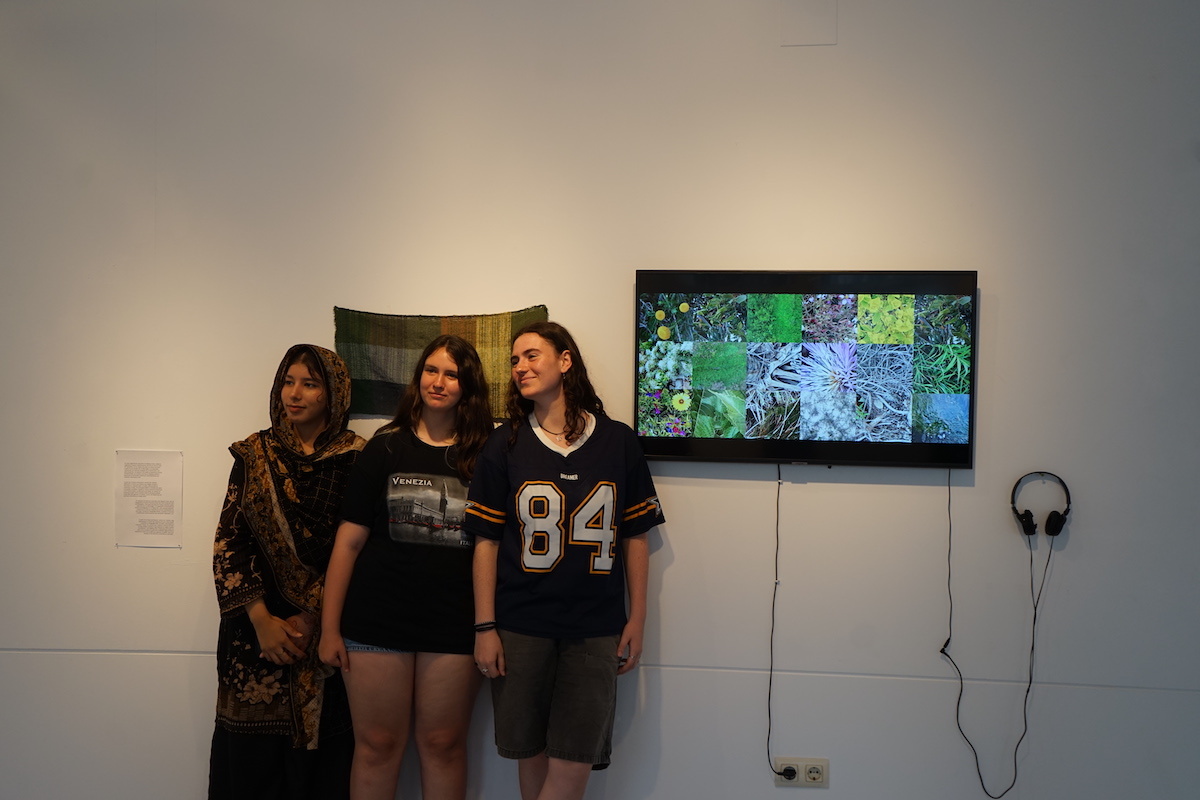
The 4th year Secondary school students from the Interdisciplinary Projects course at IES El Clot de l'Illot have created a piece of concrete music based on the sounds of the Monnegre River, and an audiovisual patchwork with visual textures collected in the same place. In these projects, the river is explored through direct experience, transforming its sounds and forms into artistic language, bringing students closer to contemporary practices which connect nature and art. During one of the walks which form part of the interdisciplinary project, the students searched for natural textures, as well as those arising from human activity. Using these textures, they created an art installation as an action of ecological awareness with the aim of encouraging a creative and attentive examination of the river environment.



Participants:
Beatriz Freire (artist in residence), Nacho Pascual Moltó and Laura Cuenca Rodríguez (IES El Clot de l’Illot), Tatiana Trillo García, Ana Delia Gisbert Climent and Santiago González Torregrosa (IES Enric Valor), Dorian Gomis, Miriam Gilabert and María Jesús García Navarro (Concejalías de Cultura y Educación El Campello, Casa de Cultura El Campello), Carolina Fuentes Mascarell (Centro Cultural Las Cigarreras de Alicante), Albert Gironès, Ramon Parramon and Roser Colomar (IDENSITAT).
Students of Biology Class and Artistic Expression Class (IES Enric Valor), and Interdisciplinary Project (IES El Clot de l'Illot):
Adriana Selsig Ibáñez, Álvaro Masegosa Ferrando, Hareem N Nadeem, Nerea Bascuñana Sánchez, Roberto Selsig Ibáñez , Teresa Lizón Gómez, Ainara Naomi Flores Saigua, Andrea Hevia Sánchez, Bernardita Favre Carbajo, Carolina Rodríguez Delgado, Cristian Lledó Picazo, Daniel Armengol Sanchez, Daniel Colado Morales, Daria Dudchenko, Delfina Labella, Eduardo Hevia Sánchez, Elsa Martínez Sellés, Eneko Mateos Andrés, Esther Fernández Moreno, Eva Daniela Torrins Colmenárez, Guillermo Planelles Cañadas, Guiomar Valero Avilló, Hugo Marco Ramos, Josue Ortuño Sanchez, Julia Andreo Hernández, Lucas Nahuel Fruto L., Marcos Cañibano, Cortés, Martín Pastor Beltrán, Nikita Altunin, Nora Fernández Blanco, Nuria Ferrer Rubio, Pablo Valero García, Raquel Lillo Fernández, Reinis Roberts Nececkis, Samuel Flores Llacsahuanga, Sara Kocak Alcaraz.
More information about the project
